

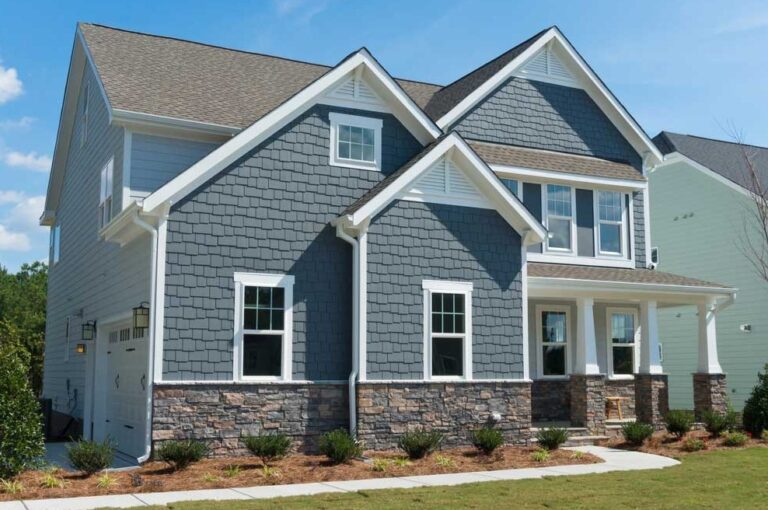
Why Impact-Resistant Shingles Lower Home Insurance Costs in Arkansas
How impact-resistant shingles reduce insurance rates in Arkansas comes down to one simple idea: a roof that’s less likely to get damaged means fewer claims — and insurers reward that with lower premiums.
Here’s a quick answer if that’s all you need:
Impact-resistant shingles reduce insurance rates in Arkansas by:
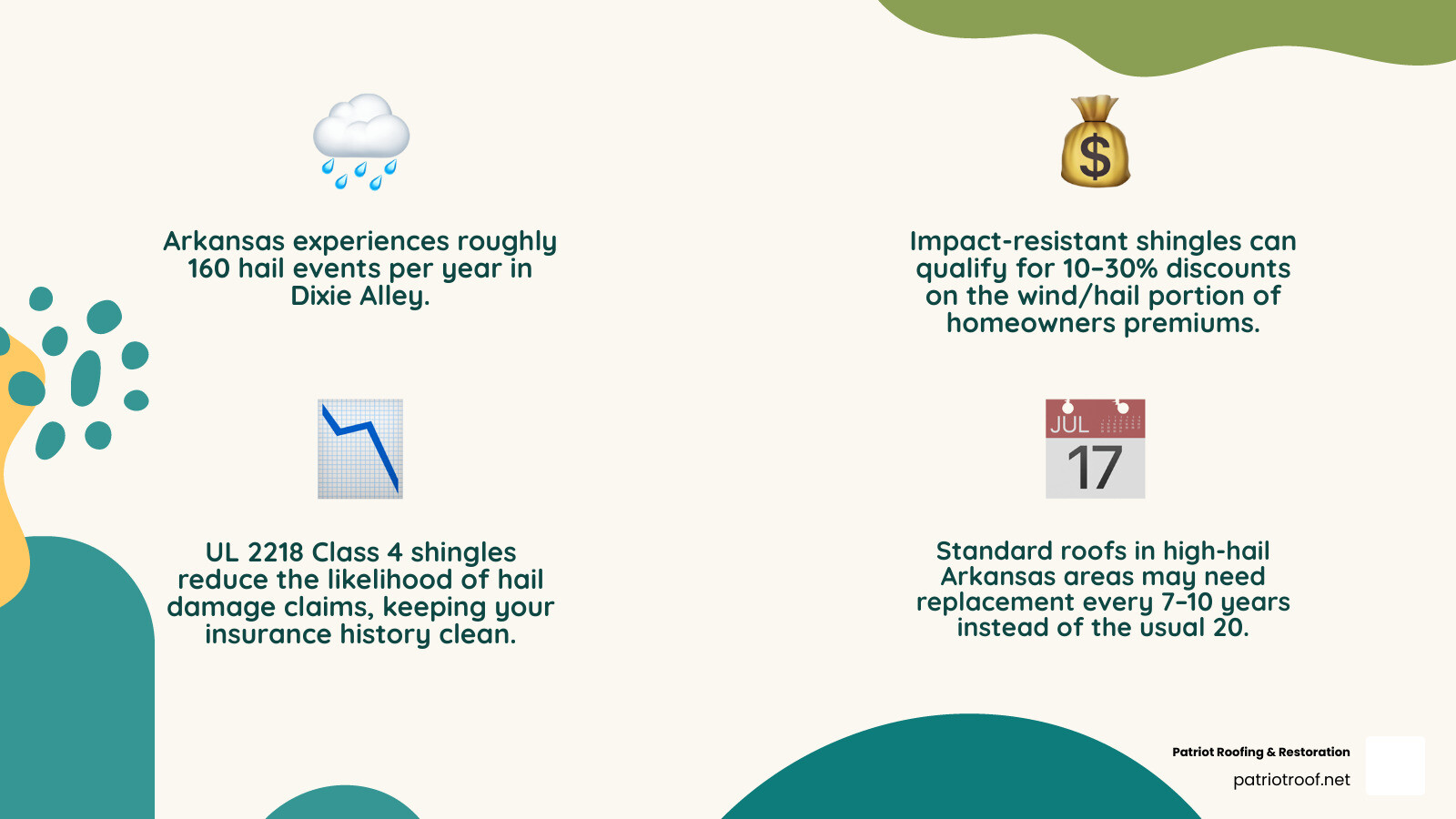
- Qualifying for 10–30% discounts on the wind/hail portion of your homeowners premium
- Reducing the likelihood of hail damage claims, which keeps your claims history clean
- Meeting the UL 2218 Class 4 standard that most Arkansas insurers require to unlock those discounts
- Helping offset rising costs from Arkansas’s 7-year roof depreciation rule
- Lowering the chance you’ll pay a large percentage-based wind/hail deductible out of pocket
Arkansas sits in what’s known as Dixie Alley — one of the most hail-prone regions in the country, where severe hail is reported most years. That’s not a small risk. State Farm alone paid more than $5.6 billion in hail claims in 2025, according to the company’s own reporting. For Arkansas homeowners, a standard roof can need replacement every 7 to 10 years in high-hail areas, compared with a standard architectural shingle, which averages about 15 to 20 years in Arkansas.
Upgrading to impact-resistant shingles is one of the few home improvements that can directly reduce what you pay for insurance every year — while also protecting you from costly storm damage repairs.
This guide breaks down exactly how the discounts work, what Arkansas regulations mean for your coverage, and whether Class 4 shingles make financial sense for your home.
How impact-resistant shingles reduce insurance rates in arkansas terms to learn:
- asphalt shingle options — atlas pinnacle and pristine
- what are the best asphalt shingles for central arkansas homes
What Are Impact-Resistant Shingles and How Do They Work?
Standard shingles do a fine job of shedding water, but when a golf-ball-sized hailstone strikes them at 80 miles per hour, they tend to crack, bruise, and shed their protective granules. Impact-resistant (IR) shingles are engineered specifically to handle these violent impacts without failing.
To understand why these shingles are so tough, we have to look at how they are made. Most high-quality IR shingles are manufactured using polymer-modified asphalt, often referred to as SBS (Styrene-Butadiene-Styrene). This process blends raw asphalt with synthetic rubber polymers. The rubberized mixture gives the shingle a “rubbery” elasticity. Instead of being rigid and brittle like standard asphalt, an SBS-modified shingle can flex, absorb the energy of a flying hailstone, and bounce back without fracturing.
Additionally, these shingles are reinforced with a heavy-duty fiberglass mat backing to prevent tears when a storm throws debris or hail at your roof.
To prove their toughness, roofing materials undergo rigorous testing. Underwriters Laboratories (UL) developed the UL 2218 standard, which is the industry benchmark for impact resistance. In this test, steel balls of varying sizes are dropped from specific heights directly onto the shingles to simulate hail.
- Class 3 shingles are tested by dropping a 1.75-inch steel ball from 17 feet.
- Class 4 shingles (the highest rating) are tested by dropping a 2-inch steel ball from 20 feet.
To pass the test and receive certification, the shingle must show no signs of cracking, tearing, or splitting on its back surface after being struck twice in the exact same spot.
Key Benefits of Impact-Resistant Shingles
- Superior Hail Protection: Built to withstand hail up to 2 inches in diameter.
- High Wind Resistance: Often rated to handle wind speeds up to 110–130 mph.
- Extended Lifespan: While standard roofs in severe weather zones of Central Arkansas might need replacement every 7 to 10 years, IR shingles hold up considerably longer in hail country.
- Enhanced Home Value: A certified Class 4 roof is a major selling point that reassures future buyers.
If you want to dive deeper into the science and structure of these materials, check out our Guide to Impact Resistant Shingles. To see how they compare to traditional choices, read about Why Architectural Shingles Worth Investment or consult The Ultimate Guide to Best Asphalt Shingles for Central Arkansas Homes to find the perfect fit for your property.
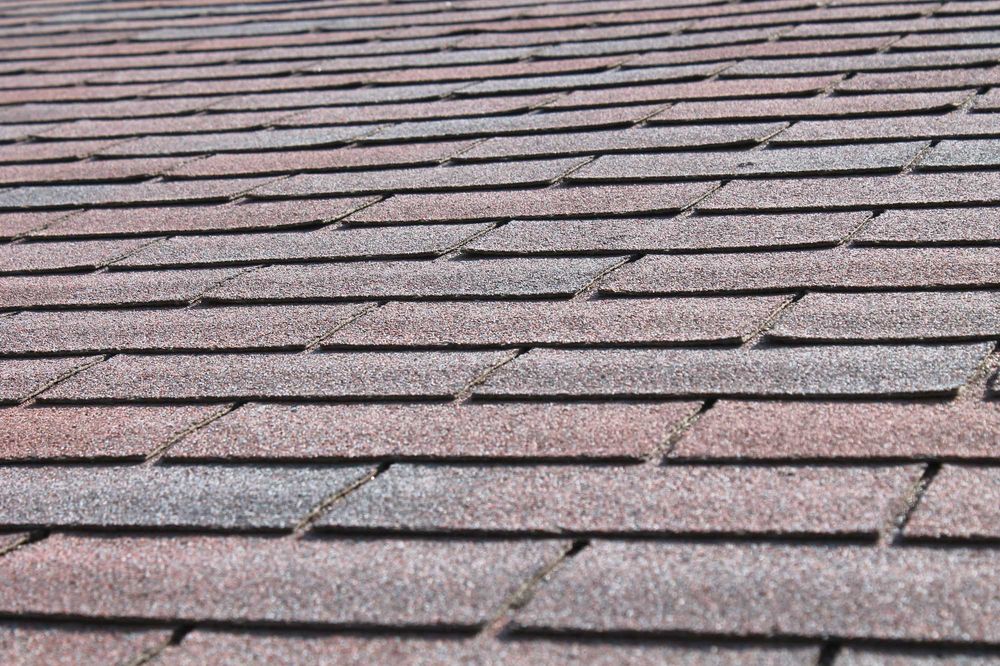
How Impact-Resistant Shingles Reduce Insurance Rates in Arkansas
Living in Central Arkansas—whether you are in Little Rock, Conway, Benton, or Cabot—means dealing with volatile weather. Because our state sits on the active edge of Dixie Alley, insurance companies take a massive financial hit every spring and summer.
When you install a roof that actively resists this damage, you change the risk equation for your insurer. This is the core of how impact-resistant shingles reduce insurance rates in Arkansas.
By upgrading to a certified Class 4 roof, you significantly lower your claim frequency. Class 4 shingles are far less likely to be damaged badly enough to need a claim after a typical hail event. Because you are far less likely to file a claim, insurance companies are willing to discount your premium. They would much rather give you a premium credit today than write a multi-thousand-dollar check for a full roof replacement tomorrow.
To understand the scope of the problem these shingles solve, it helps to read about How Hail Damages Asphalt Shingles in Central Arkansas. Understanding the physical toll of these storms highlights the true Benefits of Impact Resistant Shingles and explains why insurers are so eager to incentivize them.
The Financial Mechanics of How Impact-Resistant Shingles Reduce Insurance Rates in Arkansas
It is important to understand that your homeowners insurance premium is not one flat fee; it is divided into different risk categories. The largest portion of your premium in Arkansas is typically tied to dwelling coverage, specifically for wind and hail damage.
When an insurance company offers a discount for a Class 4 roof, they apply a premium credit directly to this wind and hail portion.
- Many Arkansas insurers offer a discount on the dwelling portion of your premium for an impact-resistant roof. The size of the discount varies by carrier, so confirm yours with your agent.
- Ask your agent to quote your policy with and without an impact-resistant roof so you can see the saving on your own numbers.
- Over the 25-year lifespan of a Class 4 roof, those accumulated savings can add up to $6,750 to $11,250, easily offsetting the initial upgrade cost.
Your exact savings will vary depending on your specific insurance carrier, your home’s location (for example, homes in high-risk open areas near Jacksonville or Cabot might see different rate structures than sheltered homes in West Little Rock), and the age of your home.
Steps to Qualify and How Impact-Resistant Shingles Reduce Insurance Rates in Arkansas
You cannot simply call your insurance agent and tell them you got a “stronger roof” to get the discount. Insurers require strict verification before they will apply any premium credits.
To secure your rate reduction, you must follow a specific documentation process:
- Verify UL 2218 Certification: Ensure the shingles your contractor installs are certified under the UL 2218 standard.
- Keep the Packaging Labels: When we install your roof, we can provide you with a product packaging label showing the UL Class 4 rating. Many insurance companies require this physical proof.
- Complete the Installation Form: You and your contractor must fill out an official Impact-Resistant Roofing Installation Form. This document certifies that the shingles were installed according to the manufacturer’s exact specifications.
- Submit Documentation to Your Agent: Send a copy of the completed installation form, the packaging labels, and your contractor’s final invoice to your insurance agent. Keep the original documents for your own records.
Class 3 vs. Class 4 Shingles: Which Is Best for Arkansas Storms?
When choosing an impact-resistant roof, Central Arkansas homeowners usually find themselves deciding between Class 3 and Class 4 shingles. While Class 3 offers a step up from standard architectural shingles, Class 4 represents the gold standard of storm protection.
Here is a side-by-side comparison to help you evaluate your options:
| Feature | Class 3 Shingles | Class 4 Shingles |
|---|---|---|
| Steel Ball Test Size | 1.75-inch dropped from 17 feet | 2.0-inch dropped from 20 feet |
| Hail Resistance Limit | Up to 1.5-inch diameter | Up to 2.0-inch diameter |
| Average Insurance Discount | Varies by carrier | Usually larger, varies by carrier |
| Material Composition | Standard or lightly modified asphalt | Heavy polymer-modified (SBS) asphalt |
| Upfront Cost Premium | Low to moderate | Moderate (10% to 20% over standard) |
| Recommended For | Budget-conscious homeowners | Long-term homeowners seeking max ROI |
While Class 3 shingles are more budget-friendly upfront, they may not qualify for the maximum insurance discounts. Class 4 shingles, on the other hand, are engineered to withstand 2-inch hailstones.
It is also worth noting how insurance adjusters view hail damage on these different materials. After a storm, an adjuster will inspect the roof for functional damage (which affects the roof’s shedding ability) versus cosmetic damage (which looks like a minor dent but does not leak). Class 4 shingles are incredibly resilient; however, very large hail can occasionally cause cosmetic dents without breaking the water-resistant backing.
To understand how this impacts your potential claims, read The Complete Guide to Cosmetic vs Functional Hail Damage to prepare yourself for any post-storm insurance evaluations.
Arkansas Insurance Regulations: The 7-Year Roof Rule and Wind/Hail Deductibles
The value of impact-resistant shingles in Arkansas has skyrocketed due to recent shifts in state insurance regulations and policy structures.
First, let’s talk about the 7-year roof replacement cost rule. In Arkansas, many insurance companies have transitioned to policies where roofs older than seven years are no longer covered at full replacement cost. Instead, they are subject to depreciation under an Actual Cash Value (ACV) endorsement.
If your 10-year-old standard roof is destroyed by hail, your insurer might only pay out 40% to 50% of what it actually costs to replace it, leaving you to cover a massive financial gap out of pocket. By installing Class 4 shingles, you drastically reduce the chance that your roof will suffer functional damage in the first place, keeping your home safe and avoiding the depreciated payout trap.
Second, most Arkansas policies now feature separate, percentage-based wind and hail deductibles. Instead of a flat $500 or $1,000 deductible, your wind/hail deductible might be 1% to 2% of your home’s total dwelling coverage.
- If your home is insured for $300,000, a 2% deductible means you must pay $6,000 out of pocket before your insurance company pays a single dime for storm damage.
- Investing in Class 4 shingles protects your wallet by preventing the damage that triggers these expensive deductibles.
To navigate these complex rules, look through our In-Depth Guide to How Does the Roof Insurance Claim Process Work in Arkansas and learn about timelines in How Long Does Roof Insurance Claim Take.
Upfront Costs vs. Long-Term Savings of Class 4 Shingles
Upgrading to Class 4 impact-resistant shingles does require a higher upfront investment. On average, Class 4 shingles cost 10% to 20% more than standard architectural shingles.
However, when you look at the return on investment (ROI), the math heavily favors the upgrade for most Central Arkansas homeowners:
- Payback Period: Between the annual insurance discount and the claims you avoid, many homeowners recoup the upgrade cost over the life of the roof. Your payback depends on your premium and your carrier.
- Prevented Deductibles: Avoiding just one hail claim saves you from paying a 1% to 2% wind/hail deductible, which instantly pays for the material upgrade several times over.
- Extended Lifespan: Because these shingles resist cracking and UV degradation better than standard asphalt, they can last 25 years or more, compared with 15 to 20 years for standard asphalt shingles in Arkansas.
If your current roof is nearing the end of its useful life or has sustained storm damage, check out The Definitive Guide to Roof Repair vs Replacement to help you weigh your next steps.
Frequently Asked Questions About Arkansas Roof Insurance
Navigating insurance claims and premium discounts can be confusing. Here are answers to some of the most common questions we hear from homeowners in Central Arkansas.
Will filing a hail damage claim raise my insurance rates in Arkansas?
In Arkansas, weather-related claims are classified as “Acts of God.” By law, an insurance company typically cannot raise your individual premium solely because you filed a single claim for storm damage. However, if severe storms hit your entire region (like Little Rock or Conway), the insurance company may raise rates statewide or zip-code-wide to account for the collective losses. Upgrading to impact-resistant shingles is your best defense against these rising regional rates.
How long do I have to file a hail damage claim in Arkansas?
While Arkansas does not have a strict statutory deadline, most insurance policies require you to report storm damage promptly—typically within 30 to 60 days of discovering the damage. Waiting too long can lead to denied claims, especially if the delay makes it hard for the adjuster to link the damage to a specific storm event. If a storm has recently rolled through your neighborhood, follow these Steps to Take After Storm Damage Roof Little Rock to protect your claim eligibility.
What documentation is required to get an insurance discount for impact-resistant shingles?
To secure your discount, you will need:
- A copy of your roofing contractor’s final invoice showing the specific brand and model of shingles installed.
- The manufacturer’s packaging labels proving the shingles meet the UL 2218 Class 4 standard.
- A completed and signed Impact-Resistant Roofing Installation Form.
Conclusion
Investing in impact-resistant shingles is one of the smartest decisions you can make for your Central Arkansas home. Not only do they defend your property against Dixie Alley’s brutal hailstorms, but they also pay you back month after month through lower homeowners insurance premiums.
At Patriot Roofing & Restoration, we help homeowners across Central Arkansas—including Little Rock, North Little Rock, West Little Rock, Benton, Bryant, Conway, Cabot, Sherwood, Maumelle, and Jacksonville—protect their homes and maximize their insurance savings.
As an Atlas PRO+ contractor at the Gold level, we bring a quality-first approach to every project. We back our work with our four written guarantees to give you ultimate peace of mind.
If you are ready to upgrade your home’s defense and lower your monthly insurance costs, we can help. Explore our options for Asphalt Shingle Roofing in Little Rock and contact us today to schedule your free, no-obligation roof estimate!
This article is general information about roofing and storm damage in Arkansas, not insurance advice. Coverage, deductibles and claim deadlines vary by policy and by carrier. Confirm your own coverage with your insurance agent before you make a decision.