

Why Acting Fast After Storm Roof Damage in Arkansas Can Save You Thousands
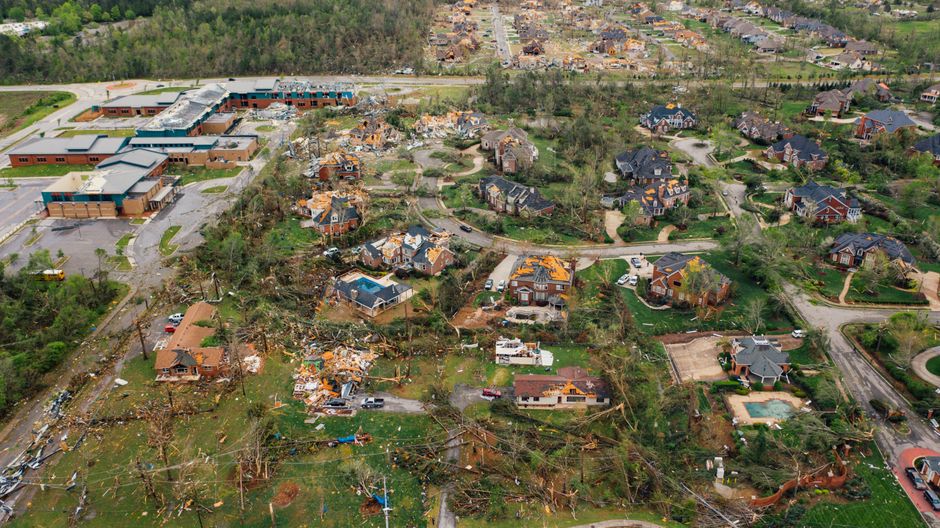
Knowing how fast should you act after storm damage to your roof in Arkansas could be the difference between a manageable repair and a devastating rebuild. Arkansas sits in one of the most storm-prone regions in the country — averaging roughly 37 tornadoes per year, plus frequent hail, ice storms, and straight-line wind events that can compromise your roof in minutes. The damage isn’t always obvious from the ground. But inside your home, a slow clock is already ticking.
Here’s how quickly you should act:
| Timeframe | What You Should Do |
|---|---|
| Within 24 hours | Document damage, call your insurer, arrange emergency tarping |
| Within 1-2 weeks | Schedule a professional roof inspection |
| Within 30-60 days | Ensure your insurance claim is filed and documented |
| Within 365 days | Policies set their own filing deadlines after the date of loss, and many run to a year. Check yours, and do not wait |
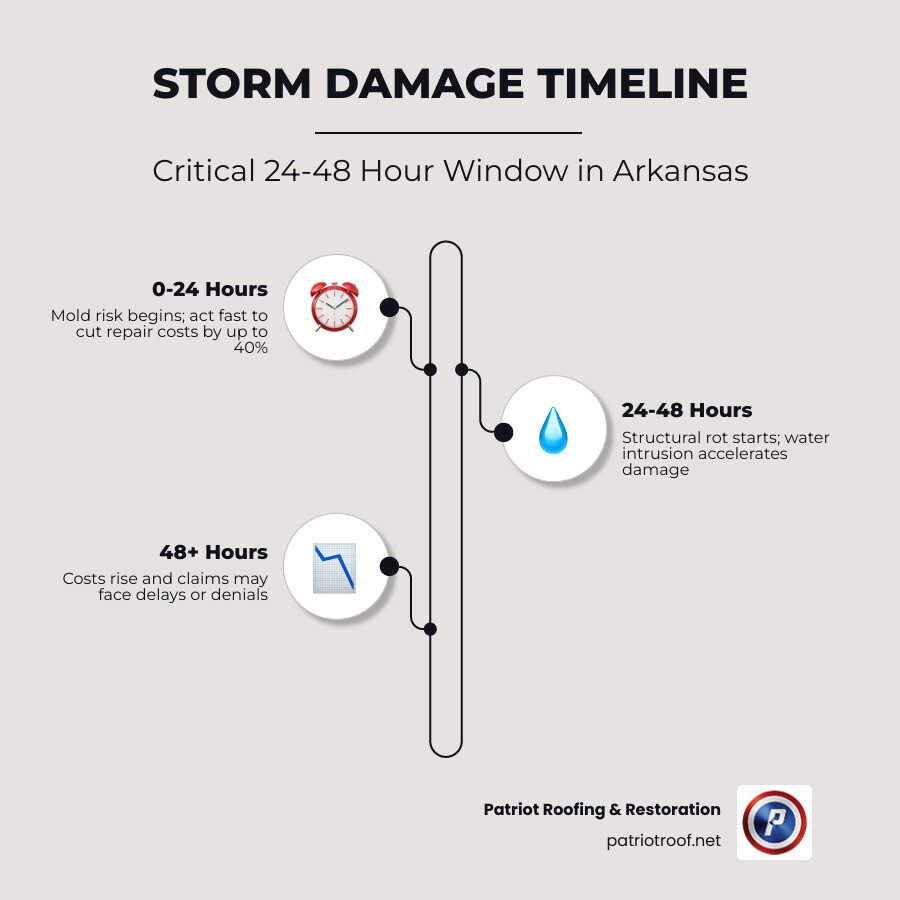
The urgency is real. Mold and structural rot can begin developing within just 24 to 48 hours of water entering your home. Acting within the first 24 hours keeps a small problem small, and that is where the real savings are. Every hour you delay after a storm, the stakes go up.
This guide walks you through exactly what to do — and how fast to do it.
The Golden Hour: How Fast Should You Act After Storm Damage to Your Roof in Arkansas?
When severe weather tears through Central Arkansas, the clock starts ticking immediately. In the roofing industry, we often refer to the first 24 to 72 hours after a storm as the “Golden Hour” of disaster recovery. Why? Because water that is stopped at the roof never becomes a drywall, insulation and framing problem.
When you address structural compromises immediately, you prevent a cascade of secondary issues. A few missing shingles left flapping in the wind can quickly turn into a saturated attic, ruined drywall, and compromised electrical systems during the next rainfall. By securing professional Storm Damage Repair Little Rock within this initial window, you establish a defensive barrier that protects your home and your wallet.
Why You Must Act Within 24 to 48 Hours to Prevent Mold and Rot
Water is an incredibly patient destroyer, but mold is remarkably fast. Mold spores and structural wood rot can begin to develop within a mere 24 to 48 hours of water intrusion. Arkansas is famous for its humid climate, and when you trap high humidity levels (anything above 50%) inside a dark, warm attic space alongside wet insulation, you create the absolute perfect breeding ground for toxic mold.
Once moisture saturates your attic insulation, the material loses its R-value (insulating capacity) and turns into a heavy, wet blanket resting on your ceiling drywall. If left unaddressed, the wood framing, rafters, and roof decking will begin to warp, rot, and lose their structural integrity. To prevent this, complete drying of the affected building materials must occur within 48 hours. This is why immediate Storm Damage Repair Maumelle AR is vital to stabilize your property before microscopic spores take over.
The Financial Risks of Delaying Your Post-Storm Response
Delaying your response to storm damage is a high-stakes gamble. The difference between a minor $500 shingle repair and a massive $15,000 structural restoration project often comes down to how fast you pick up the phone.
Beyond the physical damage, delaying repairs can severely jeopardize your insurance claim. Standard homeowners insurance policies in Arkansas place a strict duty on the policyholder to mitigate damages. This means that if you fail to take reasonable steps to protect your property from further weather exposure (such as failing to have the roof tarped), your insurance company can legally deny coverage for any secondary damage that occurs after the storm. If you wait months to address a leak and your ceiling eventually caves in, you might find yourself paying for those extensive interior repairs entirely out of pocket. To avoid this financial nightmare, scheduling prompt Storm Damage Repair Conway AR is your best line of defense.
Understanding Arkansas Insurance Deadlines and Claim Timelines
Navigating insurance policies after a storm can sometimes feel like trying to track a tornado in the dark. However, understanding your rights and the legal timelines in Arkansas is crucial to getting your roof repaired without unnecessary delays.
Under the Arkansas Insurance Department regulations, policyholders generally have 365 days from the date they discovered (or reasonably should have discovered) the damage to file windstorm and hail claims.
This “date of discovery” rule is incredibly important. For example, if you were affected by the severe storm on May 18, 2025, you have until May 18, 2026, to file your claim. Because we are currently in May 2026, if you sustained damage during that storm and haven’t filed yet, your filing window is closing right now! Waiting until the absolute last minute makes the claims process significantly harder, as insurance companies look more skeptically at older claims. If you need to assess your roof before your window expires, reach out for Storm Damage Repair Hot Springs AR immediately.
Arkansas Insurance Department Regulations and Claim Milestones
The state of Arkansas has established clear guidelines to ensure insurance carriers treat homeowners fairly and process claims efficiently. Here are the key regulatory milestones you should know:
- 15 Working Days for Claim Acknowledgment: Once you report your storm damage, the insurance carrier must acknowledge your claim and provide you with the necessary forms within 15 working days.
- 20 Days for Proof of Loss: Insurers have 20 days to send you Proof of Loss forms. If they fail to provide these forms within this window, they waive the right to require a formal proof of loss.
- 45 Working Days for Investigation: The insurance company has 45 working days to complete their investigation. If they require more time, they must provide you with a written explanation detailing the need for an extension.
- 10 Working Days for Payment: Once a claim settlement is agreed upon, the insurer must issue your payment within 10 working days.
How Fast Should You Act After Storm Damage to Your Roof in Arkansas to Secure Your Claim?
While a year-long window to file a claim sounds generous, you should never treat it as an excuse to procrastinate. The ideal window to schedule a professional inspection is within 1 to 2 weeks after the storm.
As time passes, physical evidence of storm damage degrades. Sun exposure, heavy rain, wind, and foot traffic will alter the surface of your roof, wearing down hail impact marks and making them look like normal wear and tear or pre-existing neglect. This makes it much easier for an insurance adjuster to argue that the damage wasn’t caused by a single covered storm event.
Furthermore, insurance adjusters are incredibly busy after major weather events and often spend only 20 to 30 minutes inspecting a residential roof. Having a detailed, professional inspection report from a trusted contractor ready before the adjuster arrives is one of the most effective ways to protect your claim. For a complete breakdown of the claims process, check out our guide on Steps to Take After Storm Damage to Your Roof in Little Rock.
Key Signs of Storm Damage to Look For on Your Arkansas Roof
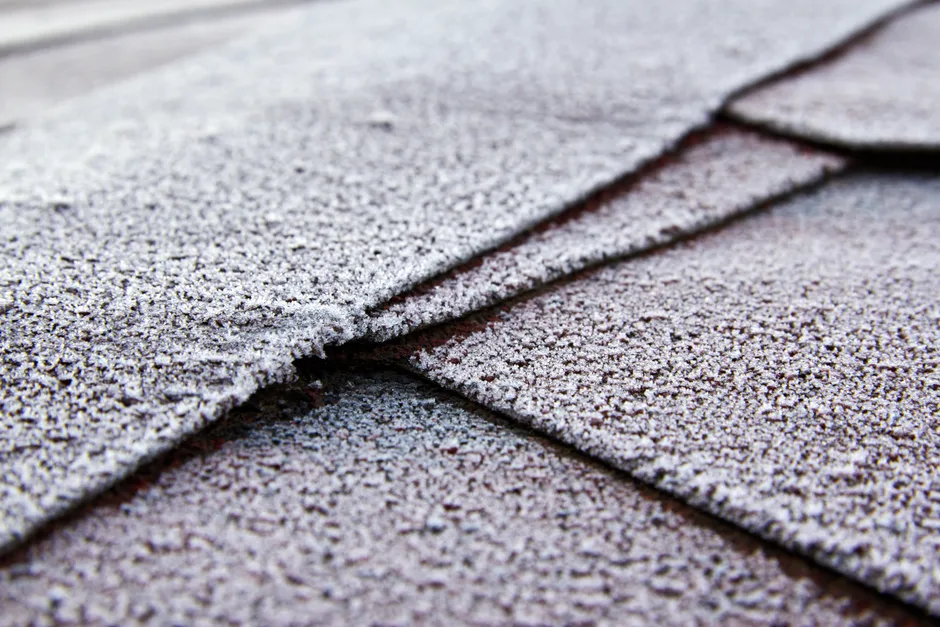
Storm damage is categorized as either functional (which compromises the roof’s lifespan and water-shedding ability) or cosmetic (which only affects the appearance). Insurance policies are legally obligated to cover functional damage, which is why identifying it early is so important. If you suspect your home has been hit, securing professional Storm Damage Repair Benton AR will ensure all functional issues are identified and documented.
Identifying Wind and Hail Damage from the Ground
While you should never climb onto a wet, storm-damaged roof yourself, you can perform a preliminary visual check from the safety of the ground. Look for these key indicators:
- Missing or Lifted Shingles: Wind speeds above 90 mph routinely exceed the design limits of standard shingles, lifting them up, breaking their adhesive seals, or blowing them off entirely.
- Piles of Asphalt “Sand” in Your Downspouts: Large hail knocks the protective mineral granules off your shingles. If you see gutters filled with what looks like dark coffee grounds, your shingles have lost their UV protection and will degrade rapidly.
- Soft Metal Dings: Look at your gutters, downspouts, metal valley flashing, chimney caps, and outdoor air conditioning condenser fins. Dents in these soft metals are excellent physical proof of hail impact size and path.
If you remember the severe weather events of the past, such as the 1-11-24 Severe Storm Hail Damage Heavy Winds Little Rock and Maumelle storm, you know how quickly high winds and hail can strip a roof of its protective layers.
Why Hidden Damage Makes a Professional Inspection Essential
Many homeowners assume that if their ceiling isn’t actively dripping, their roof is perfectly fine. This is a costly mistake. Hail damage often hides in plain sight. When hail strikes an asphalt shingle, it creates a “bruise” on the underside of the shingle, cracking the fiberglass matting while leaving the top surface looking relatively normal.
Over the following months, water slowly seeps through these micro-cracks, eventually rotting the roof decking beneath. By the time a water stain appears on your ceiling, the structural damage is already severe.
A professional roofer uses advanced diagnostic tools like thermal imaging cameras and moisture meters to identify trapped moisture behind walls and under shingles before it turns into rot. If you suspect any storm activity in your area, do not wait for a leak to show up. Schedule a free storm or replacement inspection to protect your home. This is especially true if you were near localized events like the 4-16-24 Hail Damages Roland Roofs storm, where hail caused significant hidden damage to underlayments.
Immediate Steps to Take After Discovering Roof Damage
If a storm has compromised your roof, safety must remain your absolute top priority. Before you do anything else, make sure the storm has fully passed and look out for immediate hazards like downed power lines, broken gas lines, and unstable structures. Once it is safe to proceed, follow these steps:
- Contain the Water: Place buckets under active interior leaks and move electronics, furniture, and valuables out of harm’s way.
- Document Everything: Take high-resolution photos and videos of all interior water damage and any visible roof damage from the ground.
- Call a Professional: Contact a licensed local roofer for emergency tarping and dispatch services to stabilize your home. If you are in the northern suburbs, call for Storm Damage Repair Jacksonville AR to get professional eyes on your roof immediately.
How to Document Storm Damage Effectively for Insurance
When it comes to getting an insurance claim approved, documentation is everything. A well-documented claim is much harder for an insurance carrier to delay or deny. Follow these best practices:
- Use Timestamped Photos and Videos: Capture the damage from multiple angles. Take close-up shots of hail dents and wider shots to provide context.
- Document Surrounding Property Damage: Take photos of dented window screens, damaged mailboxes, dented vehicles, and shredded landscaping. This helps establish the severity and direction of the storm.
- Tie Your Claim to Local Weather Data: Keep a record of the exact date and time the storm hit. Your roofer can cross-reference your address with third-party hail and wind radar reports to verify the storm’s intensity.
If you need help gathering this evidence, our team providing Storm Damage Repair Bryant AR can assist you in creating a comprehensive digital damage report for your insurance provider.
Emergency Tarping vs. Permanent Storm Damage Restoration
It is important to understand the difference between temporary mitigation and permanent restoration.
Emergency tarping is a temporary, waterproof barrier designed to stop active leaks and protect your home from secondary rain damage. It is a rapid-response measure that can be deployed within hours of a storm.
Permanent restoration, on the other hand, involves removing the damaged materials, repairing the underlying roof deck, and installing new shingles or metal panels. Permanent repairs require careful planning, insurance approvals, and municipal building permits. If you need immediate protection to keep the rain out while you wait for your insurance adjuster, call us for emergency Roof Repair Little Rock to get a heavy-duty, UV-resistant tarp professionally secured to your roof.
Navigating the Repair and Restoration Process in Arkansas
To help you understand how these two phases of storm recovery work, here is a quick comparison:
| Feature | Emergency Tarping (Temporary Mitigation) | Permanent Restoration (Final Repairs) |
|---|---|---|
| Primary Goal | Stop active water intrusion immediately | Restore roof to pre-storm (or better) condition |
| Speed of Deployment | Within hours of a storm | Days to weeks (after insurance approval) |
| Permit Requirements | Generally none (exempt under emergency rules) | Municipal building permits required |
| Materials Used | Heavy-duty tarps, wooden furring strips, fasteners | Shingles, underlayment, ice & water shield, flashing |
| Lifespan | Up to 90 days (temporary) | 20 to 50+ years (permanent) |
In Arkansas, anyone performing permanent roofing repairs must hold an active license from the Arkansas Contractors Licensing Board (ACLB). Furthermore, because Arkansas has no statewide building code enforcement, building permits and code compliance are managed by individual municipalities. Working with a knowledgeable local contractor ensures your permanent repairs meet all local codes in your specific town, such as those required for Storm Damage Repair Cabot AR.
Working with Local Contractors vs. Out-of-State Storm Chasers
In the wake of a major storm, out-of-state “storm chasers” often flood storm-affected neighborhoods, knocking on doors and offering “free roofs” or promising to waive your insurance deductible (which, by the way, is highly illegal in Arkansas).
While these companies can be highly persuasive, hiring them is incredibly risky. Storm chasers often use cheap, subcontracted labor, perform subpar work, and quickly move on to the next storm-ravaged state once they collect your insurance check. If your roof begins to leak six months later, you will find their phone number disconnected, leaving you with no way to enforce their “warranty.”
Always choose a local, well-established contractor with a physical office, verifiable local references, and active ACLB licensing. A local company relies on its community reputation and will be around to provide reliable follow-up service and honor their warranties. For dependable, local service, trust our team for Storm Damage Repair Sherwood AR.
How Fast Should You Act After Storm Damage to Your Roof in Arkansas to Schedule Repairs?
While you should file your insurance claim quickly, the actual reconstruction phase requires patience. Depending on the scale of the storm, local material availability can tighten, and municipal permit offices can become backlogged.
Once your insurance claim is approved, a full roof replacement typically takes anywhere from 1 to 3 days of active labor, but the entire process — from initial inspection to final closeout — can take a few weeks. If your home has sustained major structural damage, the timeline will also include a structural drying phase (which takes 3 to 5 days using industrial dehumidifiers) before any new roofing materials can be installed. To get your home on the schedule and beat the post-storm rush, contact us for a professional Roof Replacement Little Rock assessment.
Frequently Asked Questions About Arkansas Storm Damage
How long do I have to file a storm damage claim in Arkansas?
In Arkansas, standard homeowners insurance policies typically allow you to file a claim within one year (365 days) of the date of loss or the date the damage was discovered. However, it is highly recommended to file as soon as possible to prevent evidence degradation and avoid claims of neglect by your insurer.
Can I make temporary repairs to my roof before the insurance adjuster arrives?
Yes! In fact, you have a legal obligation under your insurance policy to make reasonable temporary repairs (like emergency tarping) to protect your home from further damage. Just be sure to take extensive photos of the damage before the tarp is installed, and keep all receipts for emergency supplies and professional tarping services so you can submit them for reimbursement.
What happens if my insurance claim for roof damage is denied?
If your claim is denied, do not panic. You have the right to appeal the decision. You can request a second inspection from a different adjuster, hire a public adjuster for an independent evaluation, or work with a licensed local contractor who can provide detailed photographic evidence and structural reports to help you dispute the denial.
Conclusion
When severe weather strikes, every hour matters. Delaying your response can turn a simple repair into an expensive battle with mold, wood rot, and insurance adjusters.
If your home in Little Rock or the surrounding Central Arkansas communities has been affected by a storm, don’t wait for a leak to show up on your ceiling. Trust the local experts at Patriot Roofing & Restoration. We bring a quality-first approach to every project, backed by our four written guarantees and our standing as an Atlas PRO+ contractor at the Gold level.
Whether you need immediate emergency mitigation or a complete roof replacement, we serve homeowners across Little Rock, West Little Rock, North Little Rock, Maumelle, Conway, Benton, Bryant, Cabot, Sherwood, Jacksonville, Hot Springs, Hot Springs Village, Mayflower, Alexander, Austin, and Scott.
Protect your home and secure your peace of mind. Contact Patriot Roofing & Restoration today to schedule your professional Storm Damage Repair Little Rock inspection!
This article is general information about roofing and storm damage in Arkansas, not insurance advice. Coverage, deductibles and claim deadlines vary by policy and by carrier. Confirm your own coverage with your insurance agent before you make a decision.