

Why Arkansas Roofs Face Two Completely Different Threats Each Year
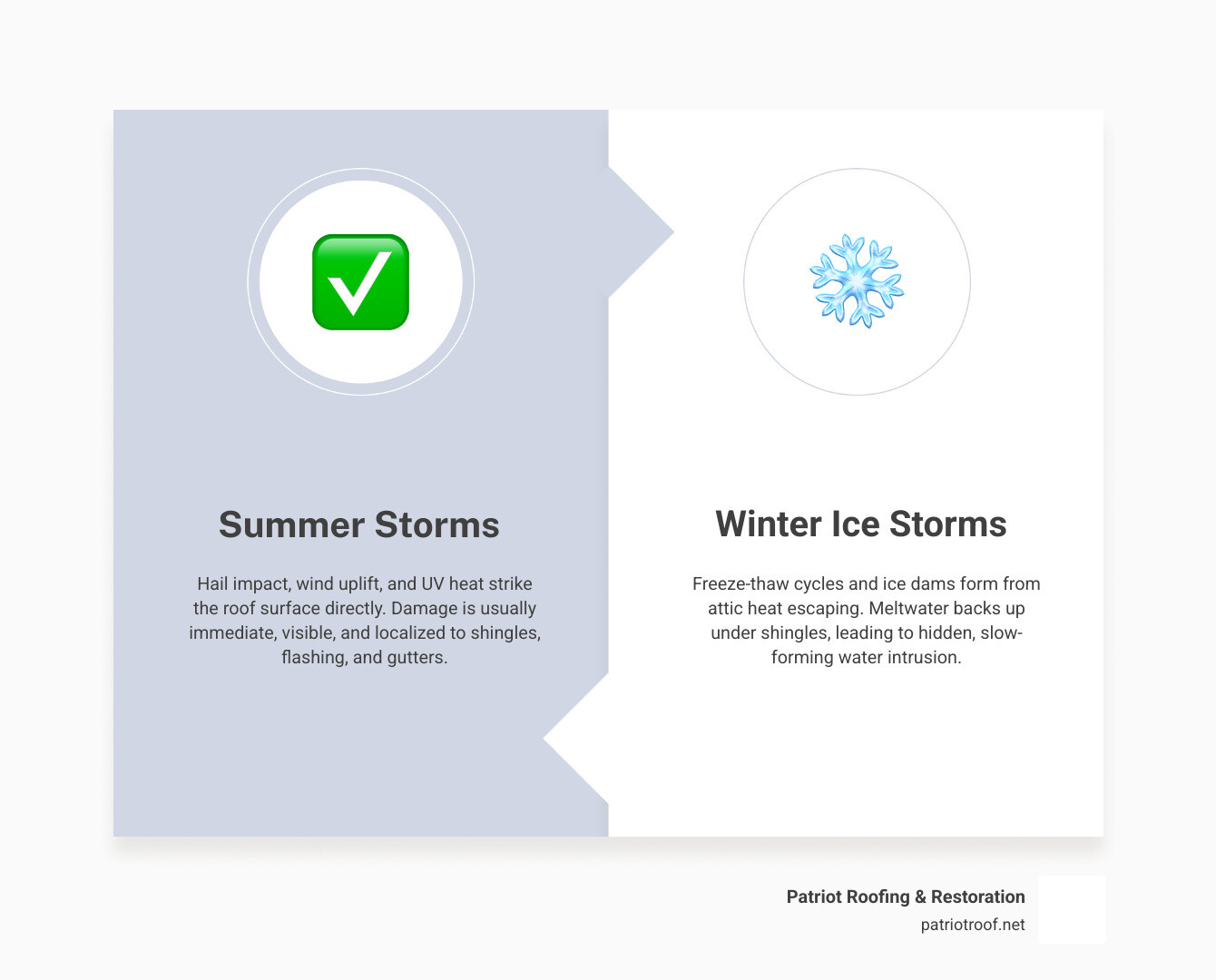
How ice storms in Arkansas winters damage roofs differently than summer storms comes down to one core difference: summer storms attack your roof from the outside in, while winter ice storms attack it from the inside out.
Here’s a quick breakdown:
| Damage Type | Summer Storms | Winter Ice Storms |
|---|---|---|
| Primary threat | Hail impact, wind uplift, UV heat | Ice dam formation, freeze-thaw cycling |
| How damage starts | Physical impact on shingle surface | Meltwater backing up under shingles |
| Main driver | External force (hail, wind, heat) | Heat escaping your attic melts snow unevenly |
| Structural risk | Granule loss, cracked shingles, lifted flashing | Water intrusion, saturated insulation, structural weight |
| Speed of damage | Often immediate and visible | Slow, hidden, often found weeks later |
| Key vulnerable zone | Shingle field, gutters, ridge | Eaves, underlayment, attic insulation |
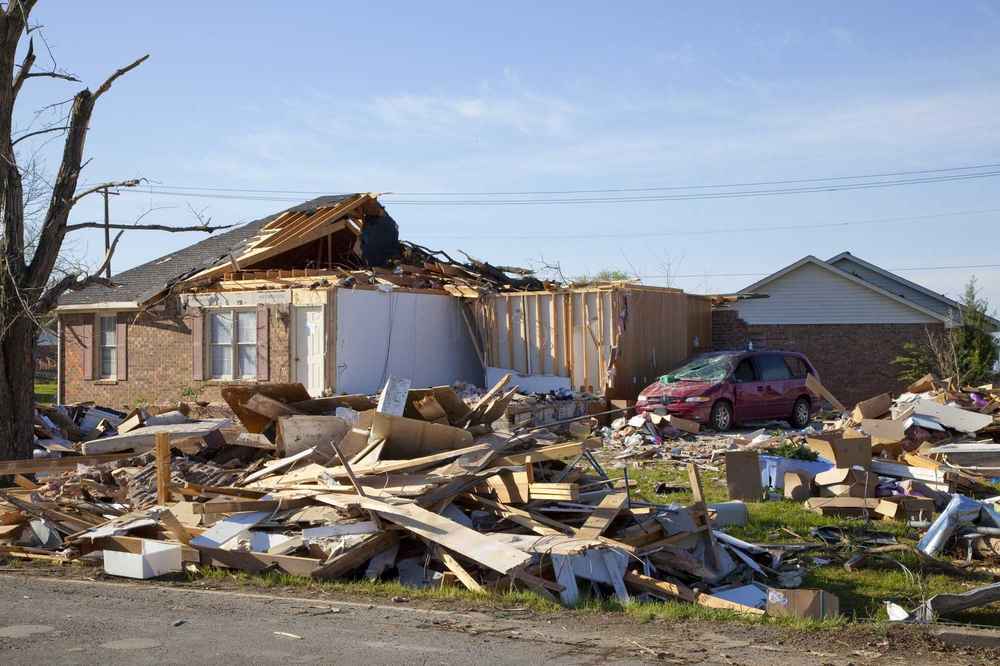
Most Arkansas homeowners expect hail and heat — but the February 2021 ice storm caught thousands of Little Rock-area residents off guard, causing widespread roof damage across central and north-central Arkansas that took months of insurance claims to resolve. The problem wasn’t just the ice itself. It was that Arkansas homes are often under-insulated compared to northern states, making them surprisingly vulnerable when a severe winter storm hits.
Arkansas throws everything at your roof across twelve months — and the damage mechanisms are fundamentally different depending on the season. Understanding both is the first step to protecting your home year-round.
How Ice Storms in Arkansas Winters Damage Roofs Differently Than Summer Storms
To truly understand how our roofs fail, we have to look at the physics of an Arkansas winter. In places like Little Rock, Conway, and Hot Springs, our winters are generally mild. But when a severe cold front dips south, it brings freezing rain, sleet, and heavy snow that behaves very differently than a spring or summer thunderstorm.
During a summer storm, a roof faces dynamic, high-velocity impacts. Hailstones slam into shingles, and straight-line winds try to peel materials back.
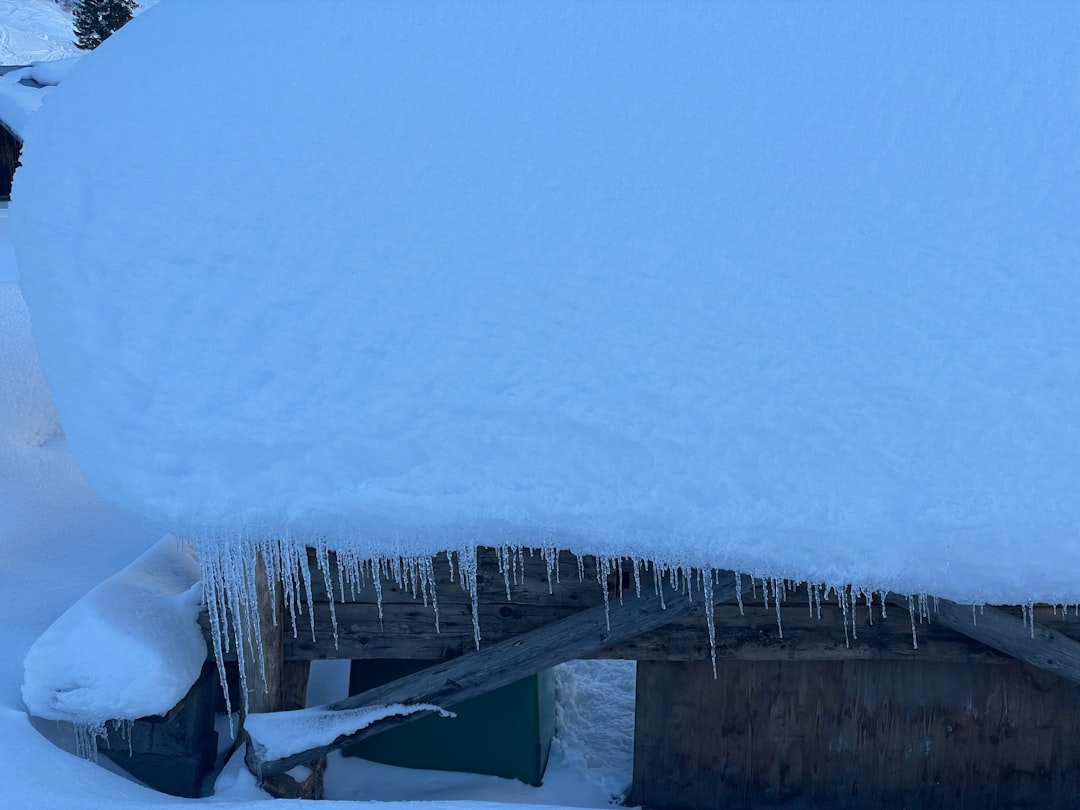
In contrast, winter ice storms cause static, progressive, and structural damage. This damage is driven by three main factors:
- The Freeze-Thaw Cycle: Arkansas winter temperatures frequently bounce above and below the 32°F freezing mark within a single 24-hour period. When ice melts during the day, it turns into liquid water that flows into tiny hairline cracks in your shingles, flashing, and masonry. When the temperature drops overnight, that trapped water freezes and expands by about 9%. This expansion acts like a tiny wedge, slowly widening the cracks day after day.
- Thermal Expansion and Contraction: Rapid temperature swings cause different roofing materials to expand and contract at different rates. Metal flashing, asphalt shingles, and wooden decking all fight against each other as they shrink in the freezing cold and stretch when the sun comes out. This puts immense stress on fasteners and sealants.
- Structural Weight Load: According to FEMA’s Snow Load Safety Guide, one foot of fresh, dry snow weighs about 3 pounds per square foot (psf). However, the wet, heavy snow and solid glaze ice common during Arkansas ice storms can weigh up to 21 psf. For a standard 10,000-square-foot roof, a heavy accumulation of ice and snow can add over 50 tons of dead weight to the structure. This weight can cause rafters to sag, ceilings to crack, and older roof decks to fail completely.
To learn more about how our local climate impacts your home’s exterior year-round, check out our Step-by-Step Guide to Arkansas Climate and Your Roof.
The Mechanics of How Ice Storms in Arkansas Winters Damage Roofs Differently Than Summer Storms
The primary way winter weather destroys an Arkansas roof is through the formation of ice dams. This is a classic “inside-out” mechanical pathway of degradation.
Here is exactly how it happens:
- Heat Escapes: Warm air from your living space rises into your attic. If your attic is under-insulated or poorly ventilated, this heat warms up the upper sections of your roof deck to above 32°F.
- Snow Melts: The snow and ice sitting on the upper portion of your warm roof begins to melt, running down the slope toward the eaves.
- Meltwater Refreezes: The eaves and gutters of your home sit outside the heated living space, meaning they remain at or below 32°F. When the meltwater reaches these cold eaves, it freezes instantly, forming a barrier of solid ice.
- Water Backs Up: As more snow melts, the water pools behind this ice barrier. Because asphalt shingles are designed to shed water running downward, they have no defense against standing water backing upward.
- Shingle Lifting and Leaks: The backed-up water finds its way under the shingles, bypassing the protective underlayment. Once inside, it saturates your roof deck, leaks into your attic, ruins your ceiling drywall, and destroys your insulation.
This process is slow, quiet, and incredibly destructive. If you want a deeper dive into this winter phenomenon, read Everything You Need to Know About Ice Dams on Arkansas Roofs.
Summer Storm Damage: Wind, Hail, and Extreme Heat
Summer storms in communities like Benton, Bryant, and Cabot operate on brute force and extreme heat. While winter storms are slow and creeping, summer damage is often sudden and dramatic.
- Hail Impact: Arkansas sits in a high-risk corridor for convective summer storms. Our primary hail season peaks from April through June. When large hail hits, it causes immediate fracture damage. It knocks the protective mineral granules off asphalt shingles, exposing the underlying asphalt substrate to rapid UV degradation. It can also crack wood shakes, dent metal panels, and shatter plastic ridge vents.
- Wind Uplift: High-velocity winds during summer severe weather create pressure differentials. As wind sweeps over your roof, it creates upward lift. If shingles are old or have compromised adhesive strips, the wind will peel them back, exposing the bare wood deck to driving rain. ASCE 7-22 standards design Arkansas residential roofs to withstand wind speeds of 115 mph or higher, but aged or improperly installed materials can fail at much lower speeds.
- Extreme UV and Heat: Arkansas summers are brutal. We average over 217 sunny days a year, with summer temperatures regularly exceeding 95°F. On a typical July afternoon, your roof surface can easily surpass 150°F, and poorly ventilated attics can climb to 140–160°F. This intense heat cooks the volatile oils out of asphalt shingles, making them dry, brittle, and highly susceptible to cracking during the next wind or hail event.
For a detailed look at how to identify and address these warm-weather issues, see our In-Depth Guide to Wind vs Hail Roof Damage.
Vulnerable Roof Components: Winter Ice vs. Summer Hail and Heat
Different seasons target different parts of your roof’s anatomy. Understanding these vulnerabilities helps you know what to look for during your seasonal maintenance checks.
| Roof Component | Winter Ice Storm Vulnerability | Summer Storm & Heat Vulnerability |
|---|---|---|
| Asphalt Shingles | Ice dams lift shingles from below; freeze-thaw cycles expand existing micro-cracks. | Hail impacts knock off granules; extreme UV heat causes curling, warping, and brittleness. |
| Gutters & Downspouts | Ice accumulation fills gutters, causing them to sag, pull away from the fascia, or collapse under extreme weight. | Heavy downpours can overflow clogged gutters; hail dents aluminum and cracks vinyl. |
| Flashing (Valleys & Chimneys) | Ice dams force standing water under metal flashing; thermal cycling pops fasteners loose. | High winds can lift loose flashing; extreme heat degrades the sealants and caulking around penetrations. |
| Underlayment | Standard organic felt underlayment can tear or saturate when water pools behind ice dams. | High winds can tear away underlayment if shingles are lost; high heat can cause low-quality underlayments to degrade. |
| Attic Ventilation | Heavy snow and ice can cover ridge and soffit vents, trapping moisture and heat inside the attic. | Inadequate ventilation traps hot air, accelerating shingle degradation and raising cooling costs. |
The Role of Attic Insulation and Ventilation in Ice Dam Formation
The secret to preventing winter roof damage actually lies inside your attic. Many older homes in Little Rock, Sherwood, and Jacksonville were built with R-11 to R-19 attic insulation. According to modern building and energy codes, Arkansas homes in Climate Zone 3 should ideally have R-49 insulation in the attic, along with balanced ventilation.
Proper attic ventilation works on a simple principle: it keeps the temperature of your roof deck uniform and close to the outdoor temperature.
To achieve this, your home needs a balanced system of intake and exhaust vents. Typically, this means soffit vents at the eaves (intake) and a ridge vent at the peak of the roof (exhaust). This continuous airflow sweeps away warm, humid air before it can heat up your roof deck.
If your attic lacks insulation, heat escapes from your living space, warms the roof deck, and starts the melting process that leads to ice dams. If your ventilation is blocked by snow or insulation, moisture gets trapped, leading to mold, mildew, and wood rot.
To make sure your home is prepared before the cold weather hits, refer to our Preparing Roof for Winter Maintenance Checklist Little Rock.
Material Performance: Standing Seam Metal vs. Asphalt Shingles
When it comes to surviving both the freezing winters and scorching summers of Arkansas, your choice of roofing material makes a massive difference.
Asphalt Shingles: The Standard Choice
Standard architectural asphalt shingles are popular because they are cost-effective and versatile. If you choose shingles, we highly recommend upgrading to Class 4 impact-resistant shingles (such as those with Atlas StormMaster technology).
Class 4 shingles are modified with rubberized SBS polymers, allowing them to withstand hail impacts of up to two inches without cracking. They also offer better flexibility during the extreme cold of an Arkansas ice storm, making them less likely to crack during freeze-thaw cycles.
Standing Seam Metal: The Premium Choice
If you want the ultimate protection against both winter ice and summer hail, standing seam metal roofing is the gold standard. Here is how it compares:
- Ice Shedding: Metal roofs have a smooth, low-friction surface. When snow and ice begin to melt, they slide right off the roof rather than sitting in place and forming ice dams.
- No Exposed Fasteners: Unlike corrugated metal panels, standing seam metal utilizes concealed fasteners. This means there are no exposed screws to back out during thermal expansion and contraction.
- Impact Resistance: Metal roofing easily achieves a Class 4 impact rating. It won’t crack, split, or lose protective granules when hit by hail.
- Energy Efficiency: In the summer, light-colored standing seam metal reflects 60% to 80% of solar radiation, reducing attic temperatures by 30 to 40°F and lowering your air conditioning bills by 10% to 25%.
- Lifespan: While standard shingles last 20 to 25 years in Arkansas, a metal roof can easily last 40 to 60 years.
To learn more about how different materials hold up over time, read our guide on How Long Does Most Roofs Last in Arkansas Weather Conditions.
Preventive Measures and Insurance Considerations for Arkansas Homeowners
Protecting your home from storm damage requires a proactive approach. By taking a few key steps before storm season arrives, you can save thousands of dollars in repairs and insurance deductibles.
Step 1: Install Ice and Water Shield
During your next roof replacement, ensure your contractor installs a self-adhering polymer-modified bitumen ice and water shield along the eaves, valleys, and around penetrations. This waterproof membrane seals around nail shafts, creating a watertight barrier that prevents water from entering your home even if an ice dam forms.
Step 2: Keep Gutters Clean
Clogged gutters are a primary cause of ice dams and water backup. Clean your gutters at least twice a year — once in late spring after the pollen and seed pods fall, and once in late autumn after the leaves are down.
Step 3: Upgrade Attic Insulation and Ventilation
Ensure your attic has adequate insulation (aiming for R-49) and that your soffit vents are clear of insulation and debris. This keeps your roof deck cool in the winter and warm-weather heat out in the summer.
Step 4: Schedule Regular Inspections
Have a professional inspect your roof twice a year. Catching minor issues like loose flashing, cracked sealants, or lifting shingles early prevents major structural failures during severe weather.
If you suspect your roof has already suffered damage, read our guide on How to Act Quickly After Storm Roof Damage in Arkansas.
Why How Ice Storms in Arkansas Winters Damage Roofs Differently Than Summer Storms Matters for Insurance Claims
Filing an insurance claim for winter ice damage is very different than filing for summer storm damage.
- Summer Claims (Hail/Wind): These are usually straightforward. Hail leaves clear, physical impact marks, and high winds leave missing shingles. These are classified as “sudden and accidental” events, and insurance adjusters can easily verify the date of the storm using NOAA radar data.
- Winter Claims (Ice Dams): Ice dam damage is often slow and hidden. Water might seep into your walls for weeks before you notice water stains on your ceiling. Insurance companies cover ice dam damage under your standard dwelling policy, but they will look closely to ensure the leak wasn’t caused by long-term neglect.
The 30-Day Rule: To ensure a clean insurance claim, always schedule a professional inspection within 30 days of any major weather event. Waiting months makes it harder to prove the damage was caused by a specific storm rather than normal wear and tear.
Frequently Asked Questions About Arkansas Roof Damage
What is the best roofing material for both ice and hail in Arkansas?
For homeowners looking for the absolute best performance, standing seam metal roofing is the top choice due to its ability to shed ice and resist hail impacts. For those choosing asphalt shingles, Class 4 impact-resistant architectural shingles offer excellent protection and may qualify you for a discount on your homeowners insurance. The amount varies by insurer, so confirm with your agent.
How do ice dams form on Arkansas roofs?
Ice dams form when heat escaping from an under-insulated attic melts snow on the upper portion of the roof. The meltwater runs down to the cold eaves and gutters, where it refreezes. This creates a barrier of ice that traps water behind it, forcing it up and under your shingles.
Does homeowners insurance cover winter ice storm damage in Arkansas?
Yes, in most cases. Damage caused by ice dams, water intrusion, or structural collapse due to the weight of ice and snow is typically covered under the dwelling section of a standard homeowners insurance policy, provided the damage was sudden and not the result of long-term neglect.
Conclusion
Whether your roof is facing a freezing winter ice storm or a blazing summer thunderstorm, having a reliable roof over your head is non-negotiable. At Patriot Roofing & Restoration, we bring a quality-first approach to protecting homes across Little Rock, Benton, Bryant, Conway, Cabot, and the surrounding areas.
Our work is backed by our four written guarantees, Atlas certification, and our signature four written guarantees. If you want to protect your home from winter ice dams and summer heat for decades to come, consider making the switch to a premium metal roof.
Upgrade to Standing Seam Metal Roofing today, or contact us to schedule your free post-storm roof inspection.
This article is general information about roofing and storm damage in Arkansas, not insurance advice. Coverage, deductibles and claim deadlines vary by policy and by carrier. Confirm your own coverage with your insurance agent before you make a decision.