

Why Ice Dams Are a Real Threat to Arkansas Roofs — Even in Mild Winters
Understanding how ice dams form on Arkansas roofs and what damage they cause is more important than most homeowners realize — especially because Arkansas winters are unpredictable, not consistently cold.
Here’s the short answer:
- Ice dams form when heat escaping from your attic warms the roof surface, melting snow. That meltwater runs down toward the colder eaves and refreezes, building up a ridge of ice that traps water on your roof.
- Arkansas makes this worse because of rapid temperature swings — mild afternoons followed by hard overnight freezes create repeated melt-refreeze cycles.
- The damage can include: roof leaks, rotted decking, damaged shingles, soaked insulation, ceiling stains, mold growth, and in serious cases, structural damage.
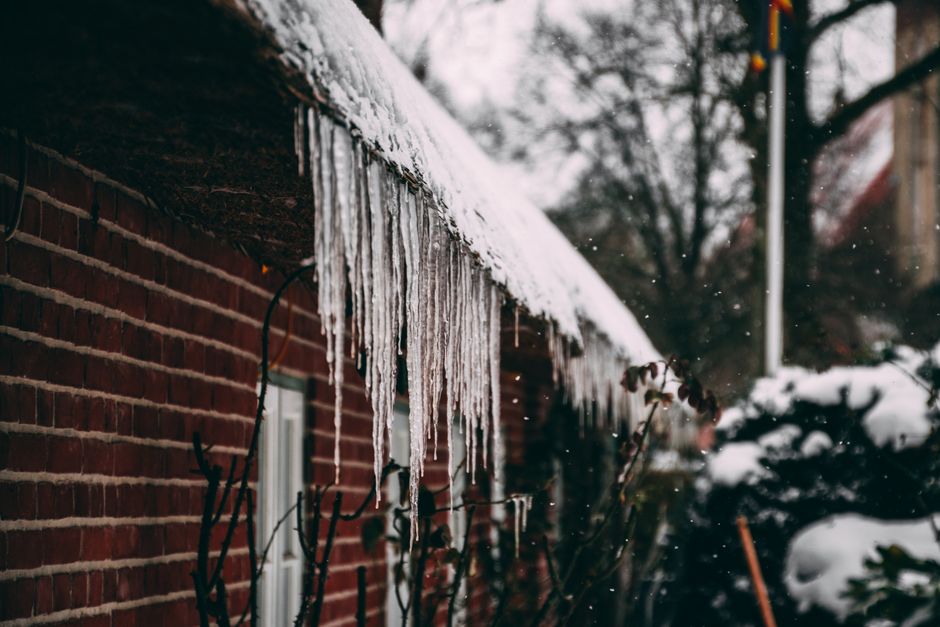
Many Arkansas homeowners are caught off guard. They see a few icicles on a freezing morning and think it looks harmless — even pretty. But those icicles can be an early warning that water is already backing up under your shingles.
Little Rock sees a couple of hard freezes and the occasional ice storm each winter, and the humidity from the Arkansas River makes snow heavier and wetter than in drier climates. That combination puts local roofs at real risk — especially homes with poor attic insulation or ventilation.
Ice dam repairs can range from a few hundred dollars for minor ceiling damage to well over $10,000 for structural issues. The good news: most ice dam problems are preventable with the right roof and attic setup.
How Ice Dams Form on Arkansas Roofs and What Damage They Cause
To understand how ice dams form on Arkansas roofs and what damage they cause, we have to look at the relationship between your home’s heating system, your attic space, and the weather outside. Ice dams do not form simply because it is cold; they form because of temperature differences across different sections of your roof.
The process follows a specific, destructive sequence:
- Snow Accumulation: A winter storm covers your roof with a blanket of snow. This snow actually acts as an insulating layer, trapping air.
- Heat Loss: Heat from your living spaces escapes into your attic due to poor insulation or unsealed gaps. This warms the attic floor and raises the temperature of your roof deck.
- The Melt Phase: As the roof deck warms above 32°F (freezing), the bottom layer of snow directly touching the shingles begins to melt. The meltwater flows down the slope of the roof beneath the remaining snow cover.
- The Freeze Phase: When the meltwater reaches the eave of the roof (the overhang that extends past the exterior walls), it enters a “cold zone.” Because there is no heated living space beneath the eaves, the roof surface temperature here is at or below freezing.
- The Dam Forms: The water refreezes at the cold roof edge, creating a small ridge of ice. As more meltwater flows down, it hits this ridge, pools behind it, and freezes, making the ice barrier larger and thicker.
- Water Backup: Once a solid wall of ice blocks the path to the gutters, the water melting higher up the roof has nowhere to go. It pools behind the ice dam, creating a reservoir of standing water. Because asphalt shingles are designed to shed water flowing downward—not hold standing water—the pooled water backs up under the shingles, penetrates the underlayment, and leaks directly into your home.
To put this in perspective, let’s look at how water behaves on a healthy roof versus a roof suffering from an ice dam:
| Roof Feature / Dynamic | Normal Roof Drainage | Ice Dam Water Backup Dynamics |
|---|---|---|
| Roof Surface Temp. | Consistent from ridge to eave (ideally matching outdoor temperature). | Warm at the top (above 32°F), freezing at the eaves (below 32°F). |
| Meltwater Behavior | Flows smoothly down the shingles, into the gutters, and down the spouts. | Flows down to the eaves, hits the ice barrier, pools, and refreezes. |
| Water Penetration Risk | Extremely low; shingles easily shed downward-flowing water. | High; standing water backs up under shingles and leaks through nail holes. |
| Gutter Function | Clear and open to route water away from the foundation. | Blocked by heavy ice, often pulling away from the fascia board. |
| Attic Environment | Cold and well-ventilated; matches outdoor air temperature. | Warm and stagnant; traps escaped home heating. |
The Unique Climate Factors of Arkansas Winters
While homeowners in northern states expect deep freezes and heavy snow, those of us living in Central Arkansas—including Little Rock, Conway, Hot Springs, Benton, and Bryant—experience a very different kind of winter. Our winters are characterized by volatility.
The primary driver of ice dams in Arkansas is our rapid temperature fluctuations. It is not uncommon for a winter day in Maumelle or Sherwood to reach a mild 50°F under bright sunshine, only for the temperature to plummet to 25°F overnight.
When snow or freezing rain falls in Central Arkansas, these temperature swings trigger aggressive melt-and-freeze cycles. During the day, warm air and solar radiation quickly melt the top layers of snow. As night falls and temperatures plunge, this melted water rapidly refreezes. If your attic is losing heat, this cycle is supercharged: the home’s interior heat melts the snow from underneath during the day, while the freezing night air solidifies the runoff at the cold eaves.
Additionally, our proximity to the Arkansas River brings high humidity to areas like North Little Rock, Scott, and Jacksonville. This moisture-rich air makes our snow heavier and wetter than the dry, powdery snow seen in the Midwest. Wet snow has a higher water content, meaning more meltwater is produced to feed the ice dams. It also exerts immense physical weight on your gutters and roof edges.
Dealing with unexpected winter roof damage can be stressful, especially when it comes to budgeting for sudden repairs. If you find yourself facing unexpected roofing issues after a winter storm, check out A Practical Guide to Roofing Financing for Arkansas Homeowners to learn about flexible payment options that can help protect your home without breaking the bank.
The Science Behind How Ice Dams Form on Arkansas Roofs and What Damage They Cause
To truly understand the physics of ice dams, we have to look at how heat moves through a home. The primary defense against ice dams is attic insulation, measured by its R-value (resistance to heat flow). In Arkansas, building codes historically required lower R-values than in northern states, leaving many older homes in places like Cabot, Austin, and Alexander under-insulated. While modern standards suggest an R-38 to R-49 rating for optimal performance, many local attics still have less than 10 inches of insulation, allowing massive amounts of heat to escape.
This heat escape is often accelerated by thermal bypasses—unsealed gaps around recessed lights, chimneys, attic hatches, plumbing pipes, and electrical wiring. These bypasses act like chimneys, sucking warm air from your living room directly into the attic.
Another scientific factor is solar radiation. You might think snow only melts when the air temperature rises above freezing, but solar energy can actually melt snow on a dark asphalt shingle roof even when the outdoor temperature is as low as 14°F. When you combine solar heat on the outside with escaped household heat on the inside, you create a massive temperature differential across the roof deck. The upper portion of the roof remains warm, while the overhangs—which are exposed to the freezing outdoor air on both their top and bottom sides—remain cold. This temperature differential is the exact scientific catalyst that causes ice dams to form.
The Destructive Consequences of Ice Dams on Your Home
When ice dams form, they don’t just stay on your roof—the water they trap eventually finds its way inside, causing a chain reaction of costly structural and interior damage.
Here is what happens when ice dams are left unaddressed:
- Water Leaks and Interior Damage: Once water backs up under your shingles, it seeps through the roof decking and drips onto your attic floor. From there, it saturates your ceiling drywall, leading to unsightly yellow or brown water stains, bubbling paint, and sagging plaster. In severe cases, the weight of the water can cause whole sections of ceiling drywall to collapse into your living room.
- Structural Rot: Constant moisture exposure rots the wooden components of your roof, including the plywood decking, rafters, and fascia boards. Over time, this wood rot weakens the structural integrity of your roof, putting it at risk of sagging or failure under heavy snow loads.
- Wet Insulation Failure: As water leaks into the attic, it saturates your fiberglass or cellulose insulation. Once insulation gets wet, it loses its loft and its ability to trap air, permanently reducing its R-value. This creates a vicious cycle: wet insulation allows even more heat to escape into the attic, which accelerates snow melt and makes future ice dams even worse.
- Mold Growth and Health Risks: Dark, damp attics filled with wet wood and insulation are perfect breeding grounds for mold and mildew. Mold can begin to grow within 24 to 48 hours of water intrusion. Once established, mold spores can travel through your home’s ventilation system, leading to poor indoor air quality and respiratory issues like asthma, allergies, and chronic coughing.
- Gutter and Fascia Damage: Ice is incredibly heavy. A single foot of an ice dam can weigh dozens of pounds. This immense weight puts extreme stress on your gutter system. Gutters filled with solid ice can bend, break their hangers, or pull completely away from the fascia board, damaging the exterior trim of your home.
Warning Signs: How Ice Dams Form on Arkansas Roofs and What Damage They Cause in Early Stages
Because much of the damage caused by ice dams happens out of sight in your attic, it is crucial to recognize the early warning signs before a minor leak becomes a major disaster.
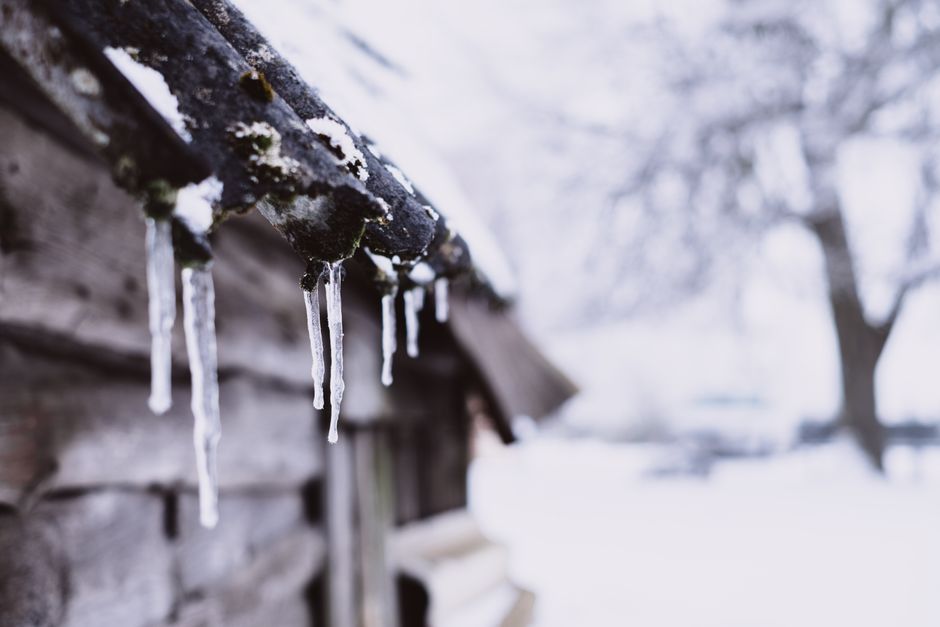
- The Icicle Test: Not all icicles mean you have an ice dam, but their location matters. If you see icicles hanging directly from your gutters, that is fairly common. However, if you notice large icicles forming behind the gutters, hanging down your siding, or clinging to the underside of your roof overhangs, you likely have an active ice dam. This indicates that water is refreezing before it even reaches the gutter tray.
- The Snowy Roof Test: After a fresh snowfall, take a look at your roof from the safety of the ground. Does the snow melt evenly across the entire surface? Or do you see bare patches of shingles near the ridge while the lower edges of the roof remain covered in thick snow and ice? Those bare spots are “hot spots” where heat is actively escaping your attic, pointing to poor insulation.
- Interior Clues: Keep a close eye on the ceilings and walls of your top-floor rooms. Look for faint water stains, peeling paint near the ceiling corners, or a musty odor that suggests hidden moisture. If you have access to your attic, inspect the underside of the roof decking for dark water spots, rusted nails, or damp insulation after a freeze.
Proven Prevention and Long-Term Solutions
The key to preventing ice dams is simple in theory, but requires precision in execution: you must keep your entire roof deck at a cool, uniform temperature that matches the outdoor air.
Here are the most effective long-term solutions to protect your home:
- Air Sealing the Attic Floor: Before adding insulation, you must stop warm air from escaping your living spaces. This involves sealing all “thermal bypasses.”
- Upgrading Attic Insulation: Once your attic is sealed, add high-quality insulation to block heat transfer. For Central Arkansas homes, upgrading to an R-38 or R-49 rating using blown-in fiberglass or cellulose will dramatically cut down on heat loss, while also lowering your summer cooling bills.
- Enhancing Attic Ventilation: Proper ventilation ensures that any heat that does escape into the attic is quickly swept away by incoming cool air. This is achieved by maintaining a balanced system of soffit vents (which pull cool air in at the lower roof edge) and ridge vents (which let warm air escape at the very peak).
To help you get started, here is a checklist of the most critical areas we inspect and seal to prevent heat escape:
- Recessed Can Lights: Standard can lights vent heat directly into the attic. We seal them with fire-rated covers.
- The Attic Hatch or Pull-Down Stairs: Often completely uninsulated, these act like open windows to your attic. They should be weather-stripped and fitted with an insulating cover.
- Plumbing Stacks and Pipes: The gaps around pipes where they pass through the attic floor must be sealed with expanding foam.
- Chimney Chases: The gap between your chimney and the wooden framing requires metal flashing sealed with high-temperature silicone caulk.
- Electrical Wiring Penetrations: Small holes drilled for ceiling fans and light fixtures should be filled with foam sealant.
For a temporary, short-term solution during heavy snow, you can use a specialized roof rake from the ground to gently pull snow off the first three to four feet of your roof edges. This removes the fuel that feeds the ice dam. However, always avoid climbing onto snow-covered roofs or using sharp tools that can destroy your shingles.
Frequently Asked Questions about Arkansas Ice Dams
Does homeowners insurance cover ice dam damage in Arkansas?
In most cases, yes. Standard Arkansas homeowners insurance policies typically cover water damage caused by ice dams under “sudden and accidental” water intrusion clauses. This means if an ice dam forces water under your shingles and ruins your ceiling drywall, your insurance will likely pay for the interior repairs and mold mitigation.
However, insurance policies rarely cover the cost of repairing the roof itself if the leak was caused by wear and tear, neglect, or lack of maintenance. If your shingles were already failing before the storm, that portion of the repair may be out-of-pocket. Always document the damage with clear photos and contact a professional roofer to provide an official inspection report for your insurance adjuster.
How much does it cost to repair ice dam damage?
The cost of repairing ice dam damage varies widely depending on how quickly the problem is caught. Minor repairs, such as fixing a small section of water-stained drywall or replacing a few damaged shingles, can range from $500 to $1,500.
However, if the water has been leaking undetected for weeks, causing structural rot in your roof decking, ruining your attic insulation, and triggering mold growth, the costs can quickly climb. Major structural repairs and comprehensive mold remediation can easily range from $4,500 to well over $10,000. This is why investing in preventive attic insulation and ventilation upgrades is highly cost-effective in the long run.
Can I remove an ice dam myself with a hammer or shovel?
Absolutely not. Attempting to chip away at an ice dam with a hammer, chisel, shovel, or axe is one of the most common ways homeowners accidentally ruin their roofs.
Asphalt shingles become extremely brittle in freezing temperatures. A single misplaced blow from a hammer can shatter your shingles, puncture your underlayment, and create massive new leaks. Additionally, climbing onto an icy roof or standing beneath falling chunks of heavy ice is incredibly dangerous. If you have an active leak from an ice dam, the safest approach is to contact a professional who can use specialized low-pressure steam equipment to safely melt the ice without damaging your roofing materials.
Conclusion
Ice dams may seem like a problem reserved for northern states, but the volatile winters of Central Arkansas make our homes uniquely vulnerable. Understanding how ice dams form on Arkansas roofs and what damage they cause is the first step in protecting your property from costly winter water damage. By addressing the root causes—poor insulation and inadequate ventilation—you can ensure your home remains safe, dry, and energy-efficient all year long.
At Patriot Roofing & Restoration, we are proud to serve communities across Central Arkansas, including Little Rock, North Little Rock, Conway, Hot Springs, Benton, Bryant, Cabot, and Sherwood. We bring a quality-first approach to every job, backed by our four written guarantees.
Don’t wait for the next winter freeze to find out if your roof is vulnerable. Schedule a Professional Storm Damage Inspection with us today, and let our expert team ensure your home is fully prepared for whatever weather Arkansas throws our way.