
Why Roof Inspection Frequency Matters More in Arkansas Than Almost Anywhere Else
How often should a roof be inspected in a storm-prone climate like Arkansas is one of the most important questions a homeowner in this state can ask — and the answer is more urgent than most people expect.
Here’s the quick answer:
Recommended Roof Inspection Frequency in Arkansas
| Situation | Recommended Frequency |
|---|---|
| Routine maintenance (any roof) | At least twice a year — spring and fall |
| Roofs 10+ years old | Every 6 months minimum |
| After hail of 1 inch or larger | Within 48–72 hours |
| After high winds or tornado warning | Within 48 hours |
| Before buying or selling a home | Once, before closing |
| Before warranty expiration | Once, prior to expiration date |
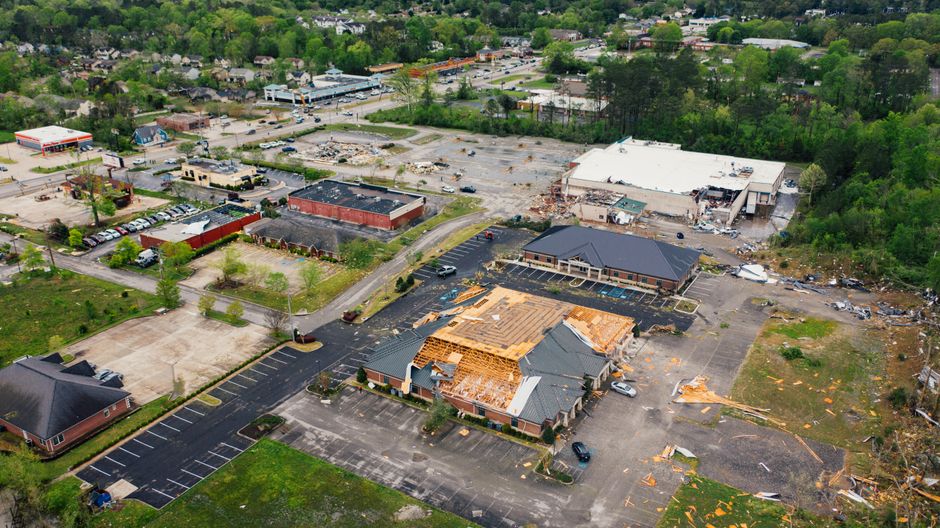
Arkansas sits squarely in what’s known as Dixie Alley — a region with some of the most intense and frequent severe weather in the country. The state averages roughly 37 tornadoes per year, hail-producing storms reach all 75 counties. On top of that, Arkansas roofs endure brutal summer heat, high humidity, temperature swings of up to 100°F annually, and an average of around 50 inches of rainfall each year.
The stakes are real. A single missed inspection after a major storm can mean the difference between a minor repair and $12,000–$18,000 in structural damage, water intrusion, and mold remediation. Yet many homeowners only think about their roof when water is already dripping through the ceiling.
Regular inspections aren’t just a maintenance checkbox — they’re one of the most effective tools for protecting your home, your insurance standing, and your wallet in a state where severe weather isn’t the exception. It’s the norm.
Understanding Arkansas Weather Stressors on Roofing Systems
To truly understand why your roof requires so much attention, we have to look at the unique, multi-layered climate stressors that central Arkansas properties endure. From Little Rock and North Little Rock to Maumelle, Conway, and Hot Springs, our roofs face a non-stop cycle of weather extremes.
Hail Damage Mechanics
Hail is one of the most destructive forces a roof can face. When a severe thunderstorm rolls through central Arkansas, it can drop hailstones ranging from pea-sized to softball-sized. The physical mechanics of hail impact are devastating to asphalt shingles. A hailstone hitting a shingle at high speed causes “mat bruising.” It fractures the fiberglass mat inside the shingle and knocks away the protective mineral granules. Without these granules, the underlying asphalt is exposed to the sun’s harsh ultraviolet rays, causing it to degrade rapidly and leak within months.
Tornadoes and Wind Uplift
Arkansas sits in a highly active tornado corridor. Even if a tornado doesn’t make a direct hit on your home in Bryant or Cabot, the surrounding high winds create severe wind uplift. Under ASCE 7-22 design standards, structures in our region must be built to withstand sustained winds of 90 to 115 mph. Wind uplift pressures at the corners and edges of a roof are two to three times greater than in the center. If wind gets underneath a loose shingle, it can peel it back, pull it right over the fasteners (which is far worse if the shingle was poorly fastened to begin with), and expose the bare roof deck to torrential rain.
Thermal Cycling and Humidity
Our summers are famously hot and humid, with temperatures regularly climbing to 95°F or 100°F. In the winter, we experience freezing temperatures and ice events. This annual temperature variation of up to 100°F causes severe “thermal cycling.” Roofing materials expand in the heat and contract in the cold. This constant movement puts immense stress on seals, flashing, and fasteners, causing them to back out or split over time.
To make matters worse, high humidity levels prevent moisture from evaporating quickly, creating a perfect breeding ground for mold, algae, and rot if your attic ventilation isn’t perfect. To protect your home during these extremes, check out our guide on Preparing Your Roof for Winter: Maintenance Checklist for Little Rock and learn how to keep your home cool with our Tips to Help Prepare Your Roof for Summer Weather in Maumelle.
Arkansas Roofing Material Comparison Table
| Roofing Material | Average Lifespan in Arkansas | Storm Vulnerability Level | Primary Vulnerability |
|---|---|---|---|
| Asphalt Shingles | 15–20 Years | High | Granule loss, wind uplift, thermal cracking |
| Metal Roofing | 40–70 Years | Low to Medium | Cosmetic denting from hail, fastener back-out |
| Tile Roofing | Up to 50 Years | Low | Heavy weight stress, cracking from large hail |
How Often Should a Roof Be Inspected in a Storm-Prone Climate Like Arkansas?
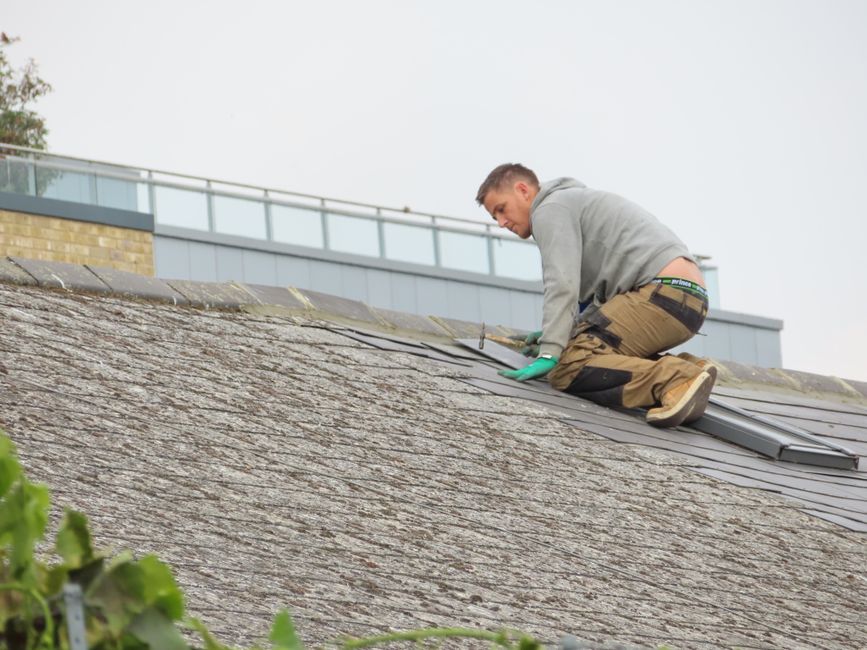
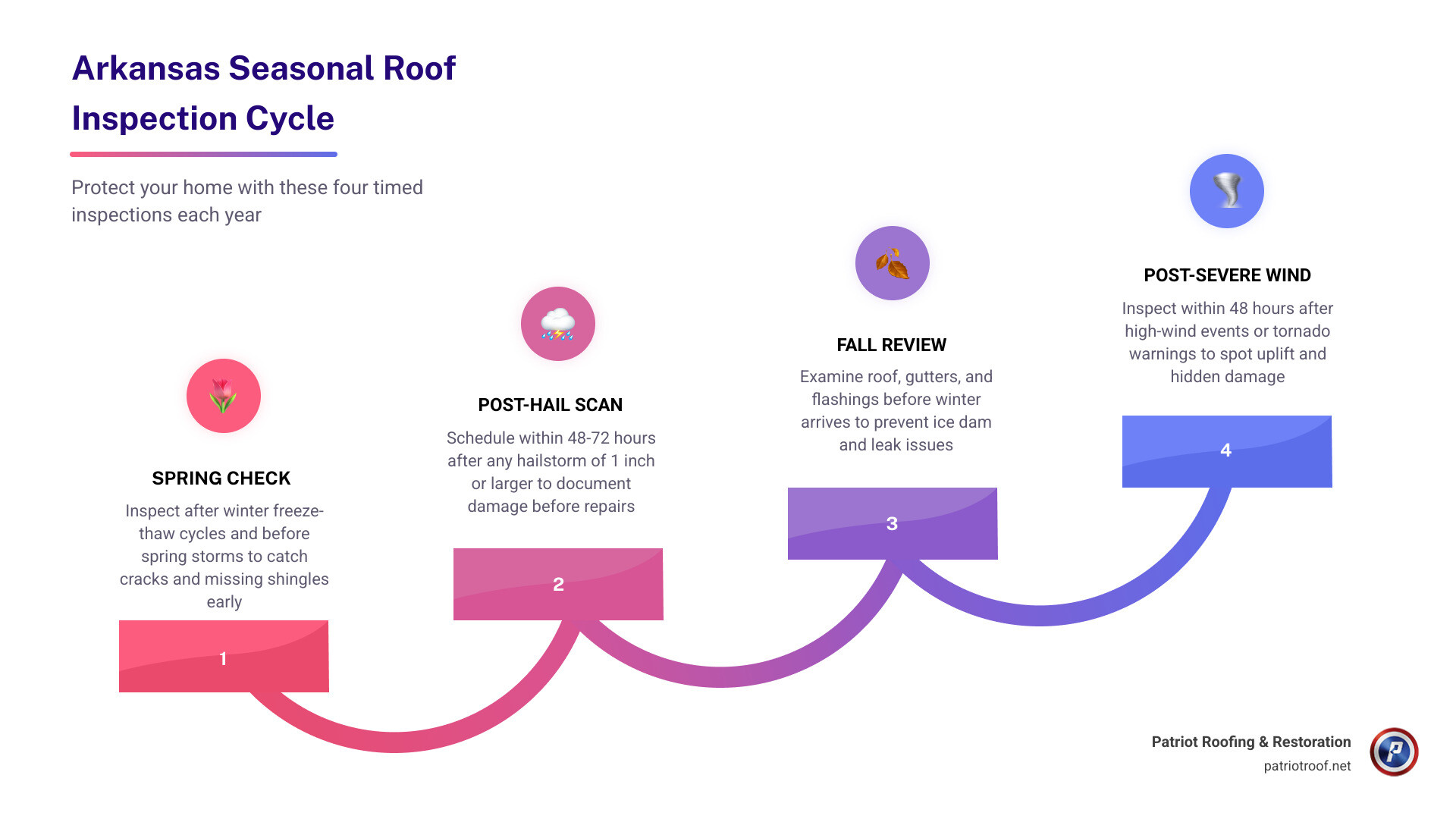
Given these intense climate pressures, how often should you actually have a professional look at your roof? The Federal Emergency Management Agency (FEMA) and the National Roofing Contractors Association (NRCA) both recommend that roofs be inspected at least twice a year — once in the spring and once in the fall — as well as after any high-wind or severe hail event.
In Arkansas, this biannual schedule is crucial because of how our seasons transition:
- The Spring Inspection (March/April): This inspection identifies any damage caused by winter freeze-thaw cycles, ice damming, or high winds. It ensures your roof is fully sealed and ready to handle the heavy rains and severe storms of the spring tornado season.
- The Fall Inspection (September/October/November): This is the primary professional inspection window. Fall offers stable weather, making it the ideal time to assess the toll that brutal summer heat and UV radiation took on your shingles. It also allows us to clear out fall debris (like pine needles and oak leaves) and make repairs before winter weather arrives.
Skipping these routine checks can drastically shorten how long your roof lasts. For a deeper look at lifespans by material, read our article on How Long Do Most Roofs Last?.
Residential Guidelines: How Often Should a Roof Be Inspected in a Storm-Prone Climate Like Arkansas?
For residential properties in areas like West Little Rock, Sherwood, and Jacksonville, asphalt shingles are the most common roofing choice. Because shingles rely on adhesive strips to stay bonded together, their vulnerability increases dramatically as they age.
- Roofs Under 5 Years Old: An annual professional inspection is usually sufficient, combined with quick visual checks from the ground after major storms.
- Roofs 5 to 10 Years Old: An annual inspection is highly recommended to catch minor issues before they become major leaks.
- Roofs Over 10 Years Old: These roofs should be inspected twice a year (biannually). After a decade of Arkansas thermal cycling, shingle adhesive strips begin to lose their flexibility and holding power, making older roofs highly susceptible to wind uplift.
We saw this vulnerability during the severe weather on January 11, 2024. Many older roofs suffered massive damage from high winds that younger, more pliable roofs were able to resist. You can read more about the impact of that storm in our write-up on the 1-11-24 Severe Storm Hail Damage Heavy Winds Little Rock and Maumelle.
Commercial Requirements: How Often Should a Roof Be Inspected in a Storm-Prone Climate Like Arkansas?
Commercial properties in Conway, Hot Springs, and Alexander often utilize flat or low-slope roofing systems like TPO (Thermoplastic Polyolefin), EPDM (rubber), or modified bitumen. These systems face different structural risks than residential sloped roofs and must be inspected at least twice a year without exception.
Key focus areas for commercial roof inspections in Arkansas include:
- Drainage Systems: Flat roofs rely entirely on drains, scuppers, and gutters to shed water. High rainfall in Arkansas can quickly cause water pooling (ponding water) if drains are clogged with debris. Standing water adds thousands of pounds of dead weight to the building’s structure and accelerates membrane degradation.
- Seams and Flashing: Extreme summer temperatures cause commercial roof membranes to expand and contract. This puts immense tension on the welded or glued seams and the flashing around HVAC units, pipes, and parapet walls.
- Warranty Compliance: Most commercial roof manufacturers require documented bi-annual professional inspections to keep their warranties valid. If you skip these inspections and experience a leak, the manufacturer may deny your repair claim.
Key Signs of Storm Damage That Require Immediate Professional Inspection
While scheduled routine inspections are vital, severe weather requires immediate action. If a storm rolls through your neighborhood, you should look for several warning signs that indicate your roof needs a professional evaluation within 48 to 72 hours.
- Hail Bruising: If you look at your shingles and see dark, soft spots that look like bruises on an apple, that is functional hail damage. The protective granules have been knocked away, leaving the fiberglass mat exposed.
- Severe Granule Loss: Check your gutters and downspout exits. If you see piles of mineral granules that look like dark coffee grounds, your shingles are rapidly shedding their protective layer.
- Damaged or Missing Flashing: Flashing is the metal installed around chimneys, valleys, dormers, and vent pipes. If it is bent, lifted, or missing, water will easily find its way into your home.
- Sagging Sections: A sagging roofline is a structural emergency. It indicates that water has penetrated the roofing system and rotted the wooden decking (sheathing) or rafters beneath.
- Wind Uplift and Creased Shingles: High winds can lift shingles up without tearing them completely off. When the wind dies down, the shingle settles back into place, but a horizontal crease will be left across the top where the shingle folded. This crease means the fiberglass mat is broken, and the shingle will eventually tear off in the next wind event.
If you suspect your roof has been damaged, it is critical to act quickly to document the damage for your insurance company. Learn exactly what to do next by reading our step-by-step guide on Steps to Take After Storm Damage to Your Roof in Little Rock.
We also saw the devastating impact of localized hail in our area during the spring of 2024. For a real-world example of how quickly hail can ruin a roof, read our post on how the 4-16-24 Hail Damages Roland Roofs.
Frequently Asked Questions About Arkansas Roof Inspections
When storm season hits central Arkansas, homeowners often have questions about how inspections work, what is covered, and how to handle repairs. For comprehensive repair solutions, you can always visit our page on Storm Damage Repair Little Rock.
How does hail size affect the need for an immediate roof inspection?
Hail damage is heavily dependent on the size and density of the hailstones:
- Under 1 Inch (Pea to Dime Size): Typically does not cause functional damage to modern, well-installed asphalt shingles unless the roof is very old and brittle.
- 1 Inch (Quarter Size): This is the threshold where functional damage begins. At 1 inch, hail can bruise shingles, crack older materials, and damage thin metal flashing or soft aluminum gutters.
- 1.75 Inches (Golf Ball Size) and Larger: This size reliably causes severe functional damage, fracturing the shingle mats, denting metal roofs, and shattering plastic ridge vents.
If your area experiences hail of 1 inch or larger, you should schedule a professional inspection immediately.
Can I inspect my own roof after an Arkansas storm?
While we encourage homeowners to perform basic visual checks from safety — such as looking at the roof with binoculars from the ground or checking for leaks in the attic — we strongly advise against walking on your own roof.
Roof safety is a major concern. Walking on a sloped surface, especially one that may have loose granules or storm debris, is incredibly dangerous. Furthermore, many types of functional storm damage, like subtle hail bruising or micro-fractures in the shingle mat, are invisible to the untrained eye.
Professional inspectors use advanced technology to safely and thoroughly evaluate your roof:
- Drones: High-resolution aerial photography allows us to inspect steep or fragile roofs safely, capturing crystal-clear images of hard-to-reach areas.
- Infrared/Thermal Imaging: Thermal cameras can detect temperature differences on the roof surface. Because wet insulation and wood hold heat differently than dry materials, infrared scans can locate hidden leaks and moisture trapped beneath the roof membrane without tearing anything apart.
Does homeowners insurance cover the cost of a roof inspection in Arkansas?
Standard homeowners insurance policies in Arkansas typically do not cover the cost of routine roof maintenance or preventative inspections. However, if you suspect storm damage, we provide a no-cost professional inspection to assess the condition of your roof.
If we find storm damage, having professional documentation is incredibly valuable:
- Higher Settlements: Homes with professional, documented storm damage reports receive an average of 34% higher claim settlements.
- Faster Processing: Clear photographic evidence and detailed line-item damage scopes result in 62% faster claim processing times because insurance adjusters have all the proof they need upfront.
- Pre-Renewal Requirements: Due to the high volume of storm claims in Arkansas, many insurance carriers now require a certified roof inspection before renewing policies on homes with roofs over 15 years old.
Conclusion
Living in a storm-prone climate like central Arkansas means our roofs are constantly on the front lines of defense. From the high winds of spring tornadoes to the baking heat of summer, your roof works 24/7 to protect your family and your property.
By committing to regular inspections — at least twice a year and after any major storm — you can identify minor issues before they turn into catastrophic leaks, extend your roof’s lifespan by 25% to 30%, and ensure your insurance claims are approved quickly and fully.
At Patriot Roofing & Restoration, we are proud to serve communities across central Arkansas, including Little Rock, Maumelle, Conway, Benton, Bryant, Cabot, Hot Springs, and surrounding areas. As an Atlas PRO+ contractor at the Gold level, we back our work with our four written guarantees to give you total peace of mind.
Don’t wait for the next storm to find out if your roof is compromised. Schedule your free storm or replacement inspection with Patriot Roofing & Restoration today and let our experienced team keep your home safe, dry, and secure.
This article is general information about roofing and storm damage in Arkansas, not insurance advice. Coverage, deductibles and claim deadlines vary by policy and by carrier. Confirm your own coverage with your insurance agent before you make a decision.