

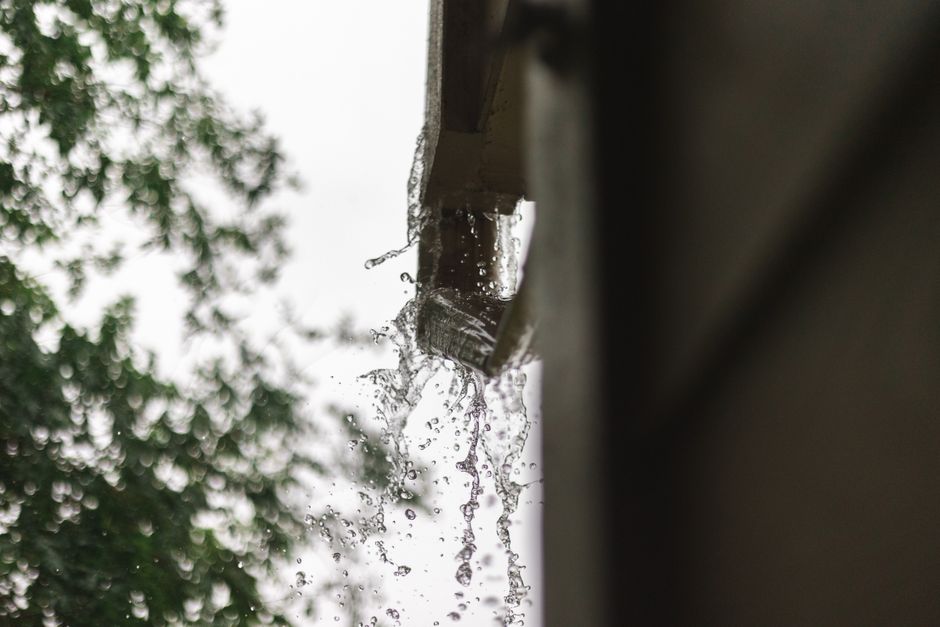
Why Arkansas Storm Rainfall Is Quietly Destroying Your Gutters
How Arkansas rainfall and storm volume accelerates gutter wear is one of the most overlooked home maintenance problems in the state — and it’s costing homeowners thousands in preventable damage every year.
Here’s a quick answer before we dive deeper:
Arkansas rainfall accelerates gutter wear by:
- Delivering high volumes of water in short, intense bursts that exceed what standard gutter systems are designed to handle
- Driving wind-blown leaves, pine needles, and branches into gutters, creating debris dams that trap water and add crushing weight
- Striking in back-to-back storm clusters that prevent gutters from ever fully draining or recovering between events
- Cycling through seasonal temperature swings that cause gutter materials to repeatedly expand and contract, weakening joints and fasteners over time
- Saturating organic debris already sitting in gutters, multiplying the weight load on hangers and fascia boards
Little Rock alone receives roughly 50 inches of rain per year — with May averaging nearly 6 inches in a single month. And that’s before accounting for the intense, short-duration downpours that characterize Arkansas storm seasons.
According to industry data, 60% of Arkansas homeowners requesting gutter service have not had their systems cleaned in more than a year — even as the state has recorded over $938 million in severe weather damage over the past decade, including thousands of thunderstorm wind, hail, and flash flood events.
The result is a predictable cycle: storms arrive, debris accumulates, water backs up, and gutters that were already stressed quietly fail — often all at once, during the next big rain.
If your gutters are overflowing, sagging, or pulling away from your roofline, the storm didn’t cause the problem. It just revealed one that was already there.
How Arkansas Rainfall and Storm Volume Accelerates Gutter Wear
To understand how our local climate impacts your home, we have to look closely at the pure volume of water falling from the sky. Many homeowners treat gutters as simple, passive plastic or metal channels. In reality, they are highly engineered water management systems designed to route staggering amounts of liquid safely away from your home’s structure.
When we look at the numbers, the sheer scale of water processed by a residential roof is mind-boggling. One inch of rainfall on a 1,000-square-foot impervious roof surface generates approximately 600 gallons of runoff.
Because Central Arkansas averages around 50 inches of precipitation annually, a single-story 2,000-square-foot home in Little Rock, Conway, or Hot Springs must successfully capture, route, and discharge over 62,350 gallons of water every single year.
| Region / City | Average Annual Rainfall (Inches) | Annual Runoff Volume (2,000 Sq. Ft. Home) | Key Weather Challenges |
|---|---|---|---|
| United States (National Average) | ~38.0 inches | ~47,400 Gallons | Varied |
| Little Rock, AR | ~50.0 inches | ~62,350 Gallons | Intense spring downpours, summer humidity, winter ice |
| Conway, AR | ~48.5 inches | ~60,480 Gallons | Severe thunderstorms, wind-driven rain, rapid temperature shifts |
| Hot Springs, AR | ~52.0 inches | ~64,840 Gallons | Mountain runoff, heavy spring rain clusters, flash flooding |
Our regional rainfall is not distributed evenly in gentle, daily sprinkles. Instead, we experience highly concentrated, severe storm events. When a storm dumps two inches of rain in under an hour, your gutters are suddenly tasked with moving thousands of gallons of water in a tiny window of time. This intense volume and velocity are exactly how arkansas rainfall and storm volume accelerates gutter wear.
The Physics of How Arkansas Rainfall and Storm Volume Accelerates Gutter Wear
When heavy rain hits your roof, it gains speed as it slides down the shingles. By the time it pours into the gutter trough, it possesses significant kinetic energy. In a standard downpour, this rushing water creates dynamic hydrostatic pressure against the front lip of the gutters.
Additionally, water is heavy — weighing approximately 8.34 pounds per gallon. If a gutter system cannot drain water as fast as it collects, a standard 40-foot run can quickly trap hundreds of pounds of standing water. This sudden weight places immense stress on:
- The Fasteners (Screws and Hangers): These anchors are driven directly into your wooden fascia boards. Under the weight of heavy rainwater, they experience severe downward leverage, slowly widening the holes in the wood.
- The Fascia Board: Constant water weight pulls the metal brackets forward, leading to structural wood warping.
- Metal Fatigue: Aluminum and copper gutters expand and contract with Arkansas’s seasonal temperature swings — from freezing winter nights in Cabot to scorching summer afternoons in Bryant. When you combine this thermal movement with the physical weight of heavy storms, the metal undergoes structural fatigue, eventually leading to bowing, cracking, and seam failures.
How Arkansas Rainfall and Storm Volume Accelerates Gutter Wear and Foundation Damage
What happens when your gutters fail to contain this massive volume of water? It doesn’t just damage the gutters themselves; it threatens your entire home.
When water overflows the front lip of a clogged or sagging gutter, it falls straight down, striking the ground directly beside your foundation. Over time, this concentrated water drop creates a deep trench, washing away protective landscaping and eroding the soil.
As the soil becomes oversaturated, it exerts massive hydrostatic pressure against your foundation walls. In areas like North Little Rock, Sherwood, and Jacksonville, our clay-heavy soils expand dramatically when wet and shrink when dry. This continuous cycle of expansion and contraction, fueled by gutter overflows, leads to:
- Foundation Cracks: As the ground shifts unevenly, your concrete foundation can crack and settle.
- Basement and Crawlspace Flooding: Excess water pools against the foundation and finds its way through microscopic pores in the concrete, causing musty odors, mold, and rot.
- Structural Shifting: Doors and windows may begin to stick as the frame of your home shifts due to unstable soil conditions below.
The Compounding Threat of Storm Debris and Repeated Storm Clusters
While clean water is heavy enough, Arkansas storms rarely bring only rain. High winds rip through our beautiful, heavily forested neighborhoods, tearing organic debris from the trees and depositing it directly onto our roofs.
Arkansas is famous for its lush canopy. In fact, more than half of the state is forested, with dense populations of oak, hickory, loblolly, and shortleaf pine trees. While these trees offer gorgeous shade in Maumelle and Hot Springs Village, they are a primary source of gutter failure.
How Debris and Heavy Rain Interact to Create Dams
When leaves, pine needles, twigs, and seed pods land on your roof, the rushing rainwater sweeps them downward into the gutter channel. Once inside, this organic material behaves like a natural beaver dam.
Pine needles are particularly notorious. Because they are thin and flexible, they easily bypass basic screens, weave together inside the gutter, and form a tight, fibrous mesh. When oak leaves and twigs pile on top of this mesh, they create a highly effective dam.
This debris dam has two immediate, destructive effects:
- Water Flow Blockage: Rainwater is completely blocked from reaching the downspouts. It pools behind the dam, causing immediate overflow.
- Crushing Weight Accumulation: Dry leaves are light, but water-soaked leaves and pine needles are incredibly heavy. This soggy, dense mass acts like a wet sponge, trapping water and multiplying the physical weight pulling on your gutter hangers. This extreme weight is a primary reason why gutters sag, pull free from the fascia, or collapse entirely during a storm.
The Compounding Impact of Back-to-Back Storm Clusters
One of the most unique climate challenges we face in Central Arkansas is the occurrence of back-to-back storm clusters. It is highly common to experience a severe storm on a Tuesday night, followed by another heavy system on Thursday.
This rapid succession prevents your gutter system from recovering. During the first storm, high winds fill your gutters with leaves and twigs. Because the storm passes quickly, you may not have time (or even realize the need) to clean them out.
When the second storm hits just 36 hours later, the gutters are already heavily compromised. The new rainfall immediately hits the debris dams left behind by the previous storm. Because the organic material has had no time to dry out or blow away, it has settled into a dense, heavy sludge.
This compounding effect compresses what would normally be years of gradual gutter wear into a single week of severe weather.
How Pre-Existing Maintenance Issues Explode Under Storm Pressure
Storms are ultimate truth-tellers for home maintenance. They rarely create brand-new structural issues out of thin air; instead, they expose and violently accelerate pre-existing weaknesses that went unnoticed during dry weather.
If your gutter system has minor issues — such as a slightly loose screw, a tiny dip in the slope, or a minor clog — it may function passably during a light shower. However, when an Arkansas deluge hits, these minor flaws rapidly escalate into catastrophic failures.
If your gutter system has suffered from deferred maintenance and is facing severe storm damage, you might be worried about the cost of a full replacement. To help you navigate this, we have put together A Practical Guide to Roofing Financing for Arkansas Homeowners to explain how you can comfortably fund these essential home upgrades.
The Danger of Undersized 5-Inch Gutter Systems
For decades, standard 5-inch sectional gutters were the default installation choice for residential builders. While 5-inch gutters are perfectly adequate for regions with mild, steady rainfall, they are consistently overwhelmed by the sheer volume of Central Arkansas storms.
A 5-inch gutter has a significantly smaller cross-sectional area than a modern 6-inch gutter. In practical terms, a 6-inch gutter holds nearly 40% more water than a 5-inch system.
When a sudden downpour hits Conway or Benton, an undersized 5-inch system simply cannot process the water fast enough. The water pools, backs up under your roof’s shingles, and overflows the front of the gutter, leading to immediate rot in your roof deck and fascia boards.
Why Improper Pitch and Loose Fasteners Lead to Sagging
Gutters must be precisely sloped (pitched) toward the downspouts to ensure water flows downward. The industry standard is a 1/4-inch drop for every 10 feet of gutter run.
If your gutters were installed improperly, or if your home has settled over time, this pitch can become uneven. Even a tiny “low spot” in the run will trap standing water.
During dry periods, this standing water attracts mosquitoes and birds. During a storm, however, that low spot becomes a heavy anchor. As hundreds of pounds of water collect in the dipped section, the fasteners holding the gutter to the fascia board begin to loosen.
Once a fastener slips even a fraction of an inch, the pitch worsens, trapping even more water. This negative feedback loop quickly ends in structural failure, with the gutter sagging visibly or ripping away from the house entirely.
Downspouts: The Critical Choke Points in Arkansas Storms
If the gutters are the highways of your home’s water management system, the downspouts are the exit ramps. No matter how wide or clean your horizontal gutters are, they are completely useless if the downspouts cannot discharge the water.
During intense Arkansas downpours, downspouts are under immense pressure. They represent the ultimate choke points of the system.
Why Downspouts Fail First During Intense Downpours
Downspouts do not run in a straight, vertical line. To navigate around your home’s soffits, trim, and brick ledges, downspouts must use sharp elbow joints (usually 45-degree or 90-degree turns).
These elbows are the primary failure points. As water carries leaves, twigs, and pine needles down the vertical drop, the debris hits these sharp turns and slows down. The elbows act like traps, catching the debris and forming a tight clog inside the metal piping.
Once a downspout is clogged, water quickly backs up. Because the vertical downspout is full of water, the weight inside the pipe increases dramatically. This massive internal pressure can cause the seams of the downspout to split open, spraying high-velocity water directly onto your home’s siding.
The Downstream Effects of Clogged Downspouts
When a downspout clogs and backs up, the damage spreads rapidly:
- Siding and Trim Damage: Water overflowing from the top of the downspout runs down your home’s exterior walls. This leads to unsightly staining, paint peeling, and wood rot on your siding.
- Fascia Board Rot: The water backing up at the roofline saturates the wooden fascia board behind the gutter, destroying its structural integrity and making it impossible to hold screws securely.
- Mold and Mildew: Constant moisture on your home’s exterior walls creates the perfect breeding ground for toxic mold and mildew, which can eventually migrate into your indoor living spaces.
Designing for Resilience: Seamless Gutters vs. Sectional Systems
If you are tired of dealing with sagging, leaking, and overflowing gutters after every storm, it is time to look at your system’s design. The material, style, and installation quality of your gutters dictate how well they will survive our heavy storm seasons.
The most important design choice you will make is choosing between seamless gutters and sectional gutters.
- Sectional Gutters: Typically sold in DIY home improvement stores, these systems are made of 10-foot metal or plastic sections pieced together with plastic connectors and sealant.
- Seamless Gutters: Custom-fabricated on-site from a single continuous roll of heavy-gauge aluminum, these gutters are measured and cut to the exact dimensions of your roofline, eliminating joints along the horizontal runs.
Key Design Features for Storm-Resistant Gutters
To withstand the intense rainfall of Central Arkansas, we recommend a system designed with the following resilient features:
- Seamless Aluminum Construction: Eliminates weak seam points that expand, contract, and leak over time.
- 6-Inch High-Capacity Troughs: Offers 40% more water volume capacity than standard 5-inch systems to prevent overflow during sudden downpours.
- Heavy-Duty Internal Hangers: Spaced no more than 24 inches apart (compared to the standard 36 inches) to provide maximum structural support against heavy snow, ice, and water weight.
- Large 3×4-Inch Downspouts: Dramatically increases the exit flow rate and allows small debris to pass through without clogging.
- Premium Stainless-Steel Micro-Mesh Guards: Keeps out leaves, pine needles, and shingle grit while allowing maximum water penetration.
Why Seamless Gutters Outperform Sectional Systems in Heavy Rain
Sectional gutters are highly vulnerable to the physical stresses of heavy storms. Every single seam in a sectional gutter is a potential failure point.
As water carries debris down the gutter run, the debris inevitably catches on the ridges and screws at each joint. This creates micro-dams that slowly grow over time.
Furthermore, as the metal expands and contracts with the changing seasons in Central Arkansas, the sealant at these joints dries out, cracks, and fails. During a heavy downpour, water will leak through these failed seams, dripping directly onto your siding and foundation.
Seamless gutters completely eliminate these issues. Because they have no seams along the straight runs of your home, there are no catch points for debris and no joint seals to dry out and leak. Water flows smoothly and uninterrupted from the corners of your roof directly to the downspouts.
Sizing and Capacity Upgrades for Arkansas Homes
If you live in an area with heavy tree cover — like Hot Springs Village, Sherwood, or West Little Rock — upgrading your gutter capacity is one of the smartest investments you can make.
Upgrading from a standard 5-inch system to a 6-inch seamless aluminum gutter system paired with oversized 3×4-inch downspouts ensures your home is fully prepared for the most severe summer storms. This high-capacity design allows water to move quickly, prevents backups, and easily flushes out minor organic debris before it can form a destructive dam.
Frequently Asked Questions About Arkansas Gutter Wear
How often should I clean my gutters in Arkansas?
As a general rule, we recommend having your gutters professionally cleaned and inspected at least twice a year — once in the late spring after oak trees drop their pollen tassels and seeds, and once in the late fall after the leaves have completely dropped.
However, if your home is located in a heavily wooded area in Conway, Cabot, or West Little Rock, you may need to clear them three to four times a year, or immediately following any severe storm event that brings high winds and heavy debris.
What are the warning signs that my gutters are failing?
Keep a close eye out for these common warning signs of gutter failure:
- Water spilling over the edges during a moderate rainstorm.
- Visible sagging or pulling away from your home’s roofline.
- Peeling paint or orange rust stains on your home’s siding.
- Eroded soil or washed-out landscaping directly below your gutters.
- Water stains or mold growth on your interior ceilings or basement walls.
Can I install gutter guards on my existing gutters?
Yes, as long as your existing gutter runs are in good structural condition, properly sloped, and securely fastened to your fascia boards.
We highly recommend installing professional-grade stainless steel micro-mesh gutter guards. This advanced technology keeps out even the smallest debris — including pine needles and shingle grit — while allowing heavy rainwater to flow freely into your gutters.
Be wary of cheap plastic or foam DIY guards, as they often collapse under heavy water weight or warp in the hot Arkansas sun, actually making clogs worse.
Conclusion
Your gutters are your home’s first line of defense against the destructive power of water. Neglecting them in a high-rainfall state like Arkansas is a recipe for expensive structural damage, foundation cracks, and mold growth.
At Patriot Roofing & Restoration, we believe in a quality-first approach. We serve homeowners across Central Arkansas — including Little Rock, North Little Rock, Benton, Bryant, Conway, Cabot, Hot Springs, and surrounding areas — with expert gutter installation, repair, and maintenance services. Our work is backed by industry-leading warranties and our signature Patriot Shield Leak-Free Guarantee to give you total peace of mind, even during the heaviest seasonal storms.
Don’t wait for the next severe weather warning to find out if your gutters are up to the task. Protect your home with professional gutter solutions and contact us today to schedule your comprehensive, professional inspection!