
What Is a Storm-Chasing Roofer — and Why Arkansas Homeowners Need to Know
Knowing how to spot storm-chasing roofers after a severe weather event in Arkansas could save you thousands of dollars and months of headaches. Here’s a quick answer:
Signs you’re dealing with a storm-chasing roofer:
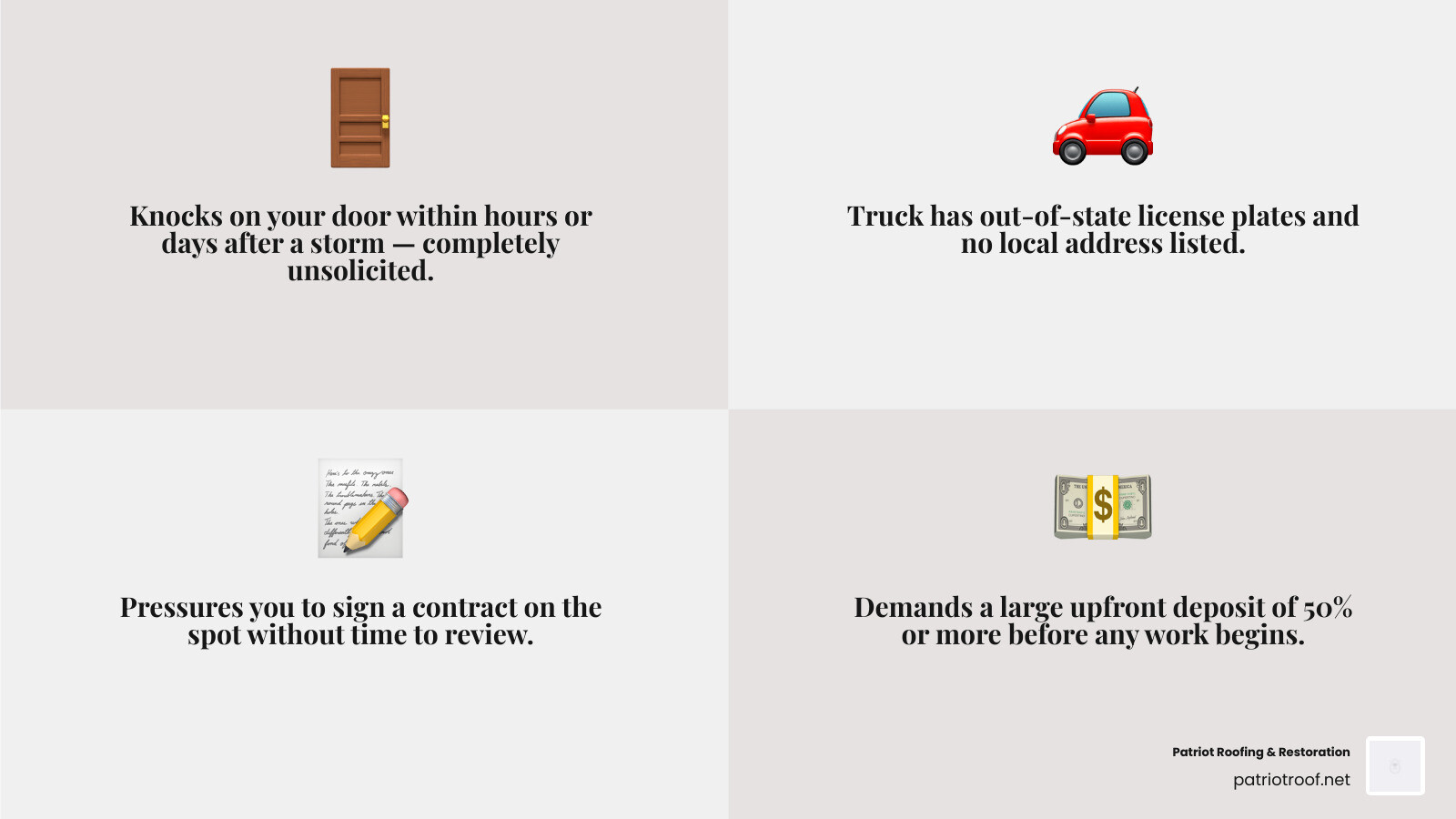
- They knocked on your door within hours or days of a storm — unsolicited
- Their truck has out-of-state license plates
- They pressure you to sign a contract on the spot
- They offer to waive your insurance deductible
- They demand a large upfront deposit (50% or more)
- They can’t provide a verifiable local address or Arkansas license number
- They have no local references or reviews you can check independently
Arkansas sits squarely in storm country. Spring and summer bring tornadoes, hail, and high winds that can tear through neighborhoods overnight. And right behind those storms? A different kind of threat rolls in — contractors from out of state who use radar apps and hail-tracking tools to find damaged neighborhoods fast, sometimes showing up at your door before you’ve even called your insurance company.
The Arkansas Contractors Licensing Board has repeatedly warned homeowners about these so-called “storm chasers” — transient contractors who prioritize quick contracts over quality work, then disappear once they’ve collected payment, leaving homeowners with leaking roofs, voided warranties, and no one to call.
The good news: the warning signs are clear once you know what to look for.
Red Flags: How to Spot Storm-Chasing Roofers After a Severe Weather Event in Arkansas
When a major storm strikes communities like Little Rock, Maumelle, or Sherwood, the immediate aftermath can be chaotic. Your priority is securing your home, but for transient storm chasers, the priority is securing your signature on a binding contract.
To help you distinguish between a trustworthy local business and a transient sales operation, we’ve put together a quick comparison:
| Feature | Legitimate Local Arkansas Roofer | Storm-Chasing Roofer |
|---|---|---|
| Physical Location | Permanent local office in Arkansas (e.g., Little Rock, Conway, Benton) | Out-of-state address, PO Box, or temporary hotel room |
| Licensing | Active license with the Arkansas Contractors Licensing Board (ACLB) | Unlicensed, or using a local contractor’s license number illegally |
| Sales Tactics | Consultative, written estimates, allows time for decision-making | High-pressure, door-to-door, demands immediate signature |
| Upfront Deposits | Standard 10% to 30% deposit; balance due upon completion | Demands 50% or more upfront, or cash-only payments |
| Warranties | Verifiable manufacturer warranties and local workmanship guarantees | Out-of-state warranties that are impossible to enforce |
| Insurance Claims | Assists with documentation; expects you to pay your deductible | Offers to “waive” or “absorb” your insurance deductible |
If your roof has recently sustained damage, your best first step is to partner with a trusted local team for professional Storm Damage Repair Little Rock before any uninvited visitors knock on your door.
How to Spot Storm-Chasing Roofers After a Severe Weather Event in Arkansas
The primary method of operation for a storm chaser is the unsolicited door knock. These sales representatives are highly trained in psychology and high-pressure sales scripts. They often monitor real-time weather radar data to target specific zip codes in Conway, Bryant, or Cabot immediately after a hail or wind event.
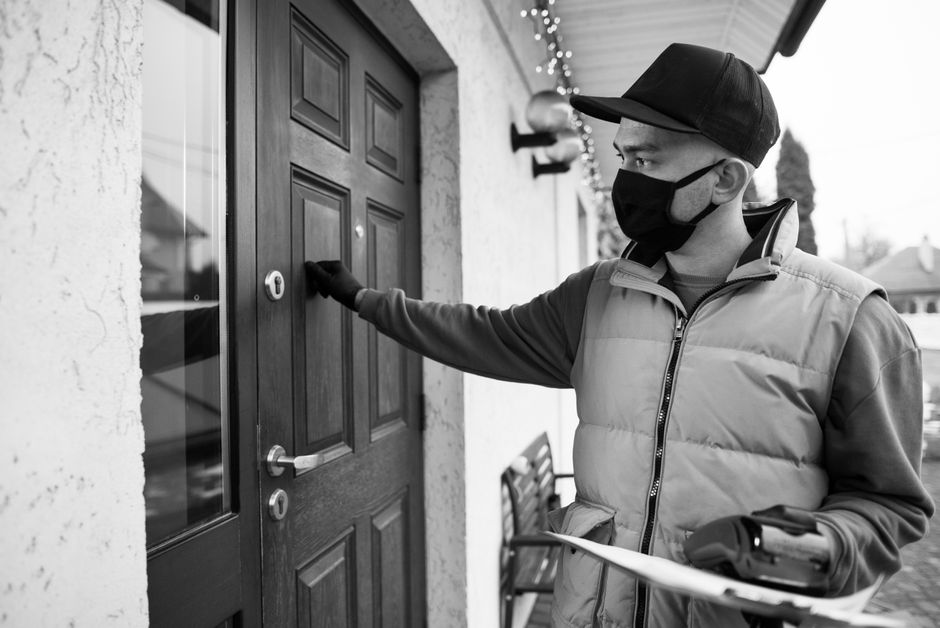
When they approach your home, they will typically offer a “free, no-obligation inspection.” While a local contractor will also offer a free storm or replacement inspection, the storm chaser’s goal is to get on your roof, claim they found catastrophic damage, and pressure you into signing an “authorization form” or “contingency agreement” before you even contact your insurance company.
Keep an eye on their vehicles as well. Many storm chasers travel in caravans of pickup trucks with out-of-state license plates. If they claim to be a local company but their trucks are registered in another state, or their business cards list a non-local area code, proceed with extreme caution.
Red Flag: Demands for Large Upfront Deposits
One of the most dangerous traps a homeowner can fall into is the “advance deposit” scam. A legitimate, licensed Arkansas contractor typically requests a reasonable deposit of 10% to 30% to secure materials and schedule the project, with the remaining balance paid only after the work passes inspection.
Storm chasers, however, often demand a deposit of 50% or more—sometimes even asking for the entire insurance check upfront. Once they receive this large sum of cash or a signed-over check, one of two things happens:
- They disappear completely, leaving you victim to advance-fee theft.
- They delay the project for months, eventually performing incredibly substandard work with cheap materials.
In Arkansas, the law is very clear: any residential contracting project that costs $2,000 or more legally requires a valid license from the Arkansas Contractors Licensing Board (ACLB). If a contractor asks for thousands of dollars upfront but cannot instantly produce their active ACLB license number, do not give them a single penny.
Red Flag: Offering to Waive Your Insurance Deductible
“We’ll take care of your deductible so you pay zero out of pocket!”
It sounds like an incredible deal, especially when you are stressed about unexpected storm damage expenses in Hot Springs or Jacksonville. However, this is one of the most significant red flags in the entire roofing industry.
In Arkansas, offering to waive, absorb, or refund an insurance deductible is illegal. Your insurance policy is a legal contract between you and your carrier. The deductible is your mandatory financial responsibility. When a contractor claims they can waive your deductible, they are usually doing one of two things:
- Submitting inflated invoices to your insurance company to hide the cost of the deductible (which constitutes insurance fraud).
- Cutting corners on materials and labor to make up for the lost revenue, leaving you with an inferior roof that will fail prematurely.
If a contractor suggests any method to bypass your deductible, they are asking you to participate in insurance fraud. A reputable local roofer will always insist on proper, legal billing practices.
The Risks of Hiring a Storm Chaser: Poor Workmanship and Fraud
Hiring an out-of-state storm chaser carries severe financial and physical risks for your home. Because these crews are temporary and mobile, they do not rely on local word-of-mouth reputation. Their business model is built on volume and speed—getting in, throwing up as many roofs as possible, and moving on to the next storm zone.
Shoddy Workmanship and Code Violations
Storm chasers rarely use permanent, in-house crews. Instead, they hire temporary local subcontractors who may or may not be properly trained or insured. This leads to rampant installation errors, such as:
- Incorrect nail placement (high-nailing or over-driving nails, which voids manufacturer warranties)
- Skipping critical underlayment or ice and water shields
- Reusing old, damaged flashing instead of installing new metal
- Ignoring local Arkansas building codes
When a roof is installed incorrectly, it might look fine from the ground for the first few months. However, when the next heavy rain hits Maumelle or Mayflower, leaks will inevitably develop. Because the storm chaser has already packed up and left the state, you will have no way to contact them to honor their “lifetime workmanship warranty.” You will be forced to pay a local company out of pocket to tear off and replace the defective work.
If you want to ensure your home is protected by professionals who live and work in your community, trust the local experts for Storm Damage Repair Conway AR and Storm Damage Repair Sherwood AR.
Insurance Fraud and Legal Exposure
Another common trap used by storm chasers is the Assignment of Benefits (AOB) contract. This agreement legally transfers your insurance claim rights and benefits over to the contractor.
Once you sign an AOB:
- The contractor deals directly with your insurance company.
- You lose all control over the claim.
- The contractor can file lawsuits against your insurance carrier in your name without your knowledge.
- They can inflate the claim to demand excessive payouts, potentially landing you in legal jeopardy for policy violations.
Always maintain control of your insurance claim. A legitimate contractor will provide you with a detailed, itemized estimate that you can submit to your adjuster, but they will never demand that you sign over your policy rights.
Arkansas Licensing Laws and Your Step-by-Step Protection Plan
Protecting your home from predatory contractors requires a proactive, structured approach. By taking control of the process immediately after a severe weather event, you can keep the scammers at bay and ensure your roof is repaired safely and legally.
Step 1: Document the Damage Safely
Before you speak to any contractor, document the state of your property.
- Walk around your home and take high-resolution photos and videos of any visible damage from the ground (missing shingles, damaged gutters, dented siding).
- Never climb onto your roof yourself. It is highly dangerous, especially after a storm when structural integrity may be compromised.
- Note the exact date and time of the storm event. This is crucial information that your insurance carrier will require when you file your claim.
For a comprehensive guide on what to do immediately after a storm, read our detailed article on Steps to Take After Storm Damage to Your Roof in Little Rock.
Step 2: File Your Own Insurance Claim
Do not let a door-to-door solicitor file your insurance claim for you. This is your responsibility as the policyholder.
- Contact your insurance agent or carrier directly to report the damage.
- Schedule an official inspection with an insurance adjuster sent by your carrier.
- While you wait for your adjuster, you can request an Online Roof Quote from a trusted, local roofing company to establish an independent baseline estimate.
Step 3: Verify ACLB Licensing and Contracts
Before signing any agreement, verify that the company is fully licensed to operate in the state of Arkansas.
- Verify Online: Visit the official website of the Arkansas Contractors Licensing Board at aclb.arkansas.gov and search for the contractor’s business name or license number.
- Demand a Written Contract: Never accept verbal agreements. A legitimate roofing contract must be highly detailed and include:
- The contractor’s full legal business name, physical address, and ACLB license number.
- A complete, itemized list of materials to be used (including brand and warranty details).
- Clear start and completion dates.
- A detailed breakdown of labor costs and payment terms.
- Proof of active general liability and workers’ compensation insurance.
Frequently Asked Questions
How to Spot Storm-Chasing Roofers After a Severe Weather Event in Arkansas?
You can identify storm-chasing roofers by their unsolicited door-knocking immediately after a storm, out-of-state license plates or phone numbers, high-pressure sales tactics (such as demanding you sign a contract immediately to secure a spot), and requests for large upfront deposits (often 50% or more). They will also frequently offer to waive your insurance deductible, which is a major red flag and illegal in Arkansas.
What should I do if I have already been scammed by a storm chaser?
If you suspect you have been scammed by a transient contractor, take the following steps immediately:
- File a Complaint: Contact the Arkansas Attorney General’s Consumer Protection Division and file a formal complaint.
- Report to the BBB: Submit a report to the Better Business Bureau (BBB) to warn other homeowners.
- Notify the ACLB: Contact the Arkansas Contractors Licensing Board to report unlicensed activity.
- Document Everything: Gather all written communications, contracts, receipts, and photographs of the substandard work.
- Contact Local Law Enforcement: If the contractor took your deposit and disappeared, file a police report for theft.
Is it illegal for a roofer to waive my insurance deductible in Arkansas?
Yes. It is illegal for a roofing contractor to waive, absorb, or offset your insurance deductible. In Arkansas, doing so constitutes insurance fraud. A reputable, licensed contractor will always require you to pay your mandatory deductible as outlined in your homeowner’s insurance policy.
Conclusion
When severe weather strikes Central Arkansas, your home deserves the highest level of protection. Don’t leave your roof—and your financial security—in the hands of out-of-state storm chasers who will be gone with the wind.
At Patriot Roofing & Restoration, we are proud to serve our neighbors across Little Rock, Conway, Sherwood, Benton, Bryant, and the surrounding communities. As a fully licensed, local Arkansas contractor, we bring a quality-first approach to every project. We back our craftsmanship with our four written guarantees and our standing as an Atlas PRO+ contractor at the Gold level.
When you work with us, you are working with a company that will be here to support you long after the storm clouds have cleared.
Protect your home today. Get Professional Roofing Services from the local experts at Patriot Roofing & Restoration.
This article is general information about roofing and storm damage in Arkansas, not insurance advice. Coverage, deductibles and claim deadlines vary by policy and by carrier. Confirm your own coverage with your insurance agent before you make a decision.