
Why Storm-Chasing Roofing Scams Are a Serious Threat to Arkansas Homeowners
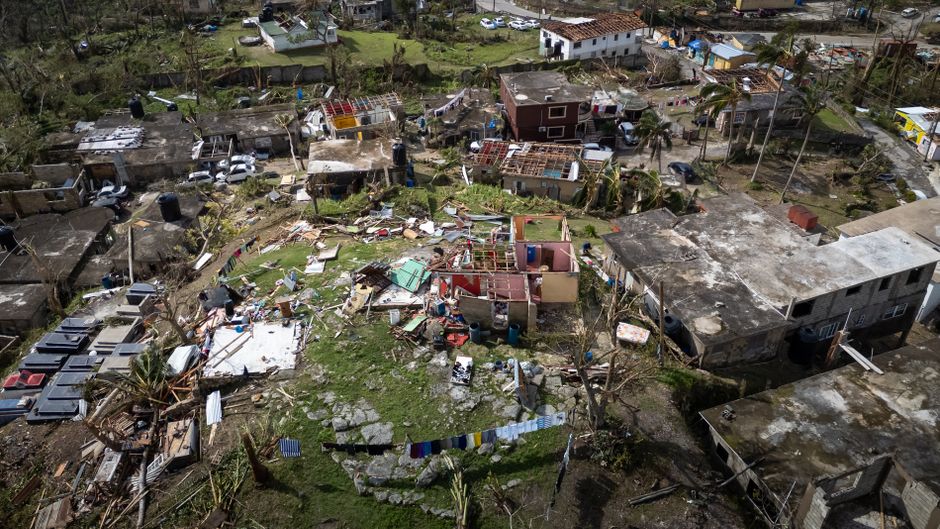
How storm-chasing roofing companies take advantage of Arkansas homeowners is something every property owner in this state needs to understand — especially during spring and summer, when severe weather tears through neighborhoods and leaves roofs exposed.
Here’s the short answer:
Storm chasers exploit Arkansas homeowners by:
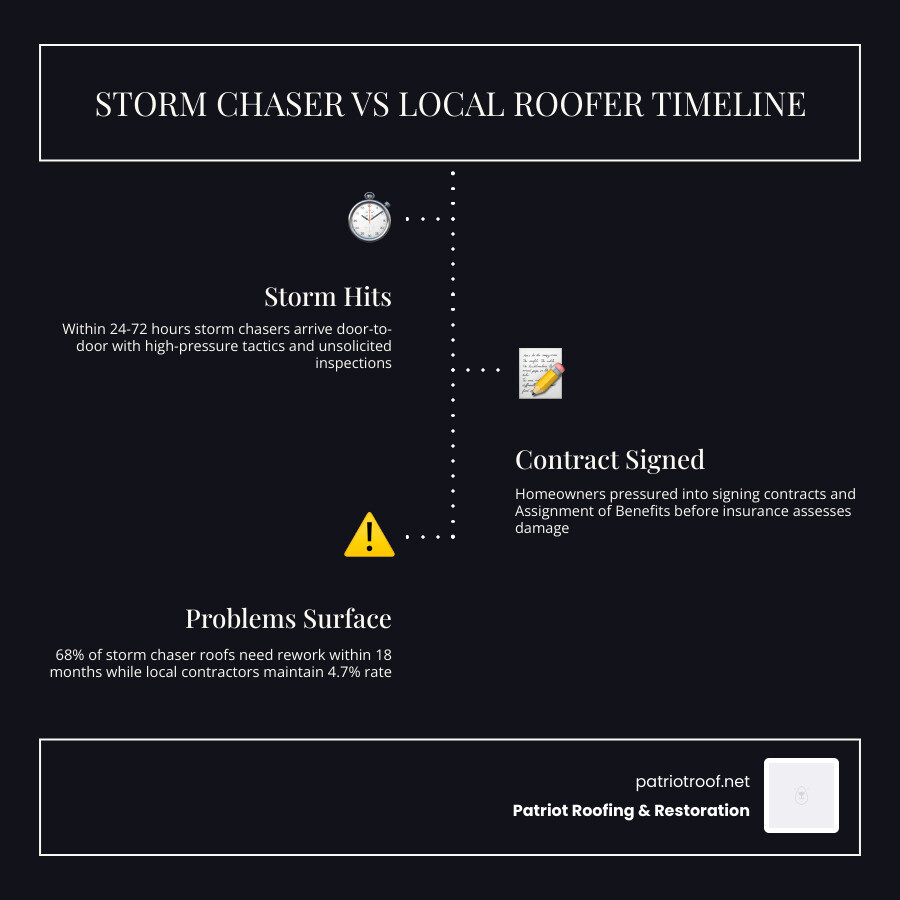
- Arriving within 24-72 hours of a storm — before you’ve had time to think clearly
- Going door-to-door with high-pressure sales tactics and unsolicited “free inspections”
- Pressuring you to sign contracts immediately, before your insurance company has even assessed the damage
- Offering to waive your deductible — which is illegal in Arkansas and constitutes insurance fraud
- Using Assignment of Benefits (AoB) agreements to seize control of your insurance claim
- Disappearing after payment, leaving behind substandard work with no warranty support
- Operating without a valid Arkansas Contractors Licensing Board (ACLB) license, exposing you to legal and financial liability
Arkansas sits squarely in a storm corridor that sees frequent tornadoes, hailstorms, and high-wind events. That makes it a prime hunting ground for out-of-state roofing crews who follow the storms, sign as many contracts as possible, and move on — often before problems with their work even surface.
The consequences for homeowners can be severe: denied insurance claims, mechanics’ liens on your property, roofs that fail within 18 months, and in some cases, criminal fraud charges. The pattern is what makes it dangerous: the crew is gone long before a bad install shows itself, and the workmanship guarantee they handed you belongs to a company that no longer answers the phone. A local contractor with a physical address, an Arkansas registration you can look up, and a name that is still on the courthouse records in year five is a different kind of promise.
This guide explains exactly what to watch for, how to protect yourself, and what to do if you’ve already been targeted.
How Storm-Chasing Roofing Companies Take Advantage of Arkansas Homeowners
To protect your home, you first have to understand how these transient operations work. Storm chasers are highly organized, fast-moving companies that treat natural disasters as a business model. Rather than building a reputation in a single community, they travel from state to state, chasing weather maps and insurance payouts.
The Tactics: How Storm-Chasing Roofing Companies Take Advantage of Arkansas Homeowners Post-Storm
The moment a severe weather front passes through Central Arkansas, storm-chasing companies deploy. Using advanced digital tools like live hail-tracking software and localized geo-fencing, they can pinpoint exact neighborhoods that sustained damage within minutes.
While local contractors are preparing emergency tarps and responding to inbound calls from their existing customers, storm chasers deploy sales teams to canvass affected areas within 36 to 72 hours. They knock on doors, often wearing professional-looking branded shirts, and offer unsolicited “free damage inspections.”
A common entry tactic is claiming they are “already doing work for your neighbor down the street” and have “leftover materials” they can use to give you a massive discount. In reality, these are rehearsed sales scripts designed to get them up on your roof, where some unscrupulous adjusters have even been caught fabricating or exaggerating damage using tools to simulate hail impact.
High-Pressure Sales and False Urgency
Once a storm chaser gets on your roof or sits down at your kitchen table, the high-pressure sales tactics begin. They rely heavily on creating a sense of false urgency. You might hear statements like:
- “We only have a few slots left on our schedule this week, and if you don’t sign now, it will be months before we can get back to you.”
- “Your insurance company is going to try to screw you, but if you sign this agreement today, we will handle everything and make sure they pay.”
- “We can start tomorrow, but only if you sign this authorization right now.”
These companies often target vulnerable populations, including the elderly and easily influenced homeowners who are naturally stressed after a major storm. They push for immediate verbal agreements and on-the-spot contract signatures before you have a chance to contact your insurance adjuster or research their company.
Common Post-Storm Roofing Scams and Red Flags
Recognizing the warning signs of a storm-chasing scam can save you thousands of dollars and months of legal headaches. When a contractor shows up at your door uninvited, look out for these major red flags:
- Out-of-state license plates or phone numbers: If their trucks have out-of-state plates and their business cards list a non-local area code, they are likely storm chasers.
- No physical local office: If their “local office” is a post office box, a temporary hotel room, or a shared virtual workspace, they won’t be around when you need warranty help.
- Demands for large cash deposits upfront: Legitimate local contractors rarely ask for massive upfront payments. Demanding 50% to 100% of the project cost before any materials are delivered is a classic sign of advance-fee theft.
- Vague or incomplete written estimates: A reputable estimate should be highly detailed, specifying exact material brands, shingle grades, and scopes of work.
If you find yourself needing to navigate the financial side of a sudden roof replacement, it is always safer to look into legitimate funding options. Check out A Practical Guide to Roofing Financing for Arkansas Homeowners to learn how to securely fund your project without relying on shady, high-pressure contractor terms.
Deductible Waiver Schemes and Insurance Fraud
One of the most tempting—and highly illegal—pitches storm chasers use is offering to “waive,” “absorb,” or “pay” your homeowners insurance deductible. They might tell you they can write a “promotional allowance” or disguise the deductible in their invoice to the insurance company.
In Arkansas, offering to waive an insurance deductible is illegal and constitutes insurance fraud.
Your insurance policy is a legal contract between you and your carrier. It requires you to pay your specified deductible. When a contractor inflates their invoice to cover your deductible, they are committing fraud, and by signing off on it, you can face criminal charges, policy cancellation, and complete claim denial. If a roofer offers to handle your deductible, politely show them the door.
Assignment of Benefits (AoB) Exploitation
Another dangerous tool in the storm chaser’s arsenal is the Assignment of Benefits (AoB) contract. This is a legal agreement that transfers the rights, brand-new payouts, and control of your insurance claim over to the roofing contractor.
When you sign an AoB, you give up your right to negotiate with your insurance company. The storm-chasing company can:
- File lawsuits against your insurer without your knowledge.
- Negotiate a settlement and direct all insurance payouts straight to their bank account.
- Leave you with an incomplete or substandard roof while they walk away with the money.
Once signed, an AoB is incredibly difficult to cancel. Always maintain direct control of your insurance claim and never sign any document that transfers your policy benefits to a contractor.
Legal and Financial Risks of Hiring Unlicensed Out-of-State Contractors
Working with transient, unlicensed contractors exposes Arkansas homeowners to severe legal and financial liabilities.
Storm chasers rely heavily on temporary, subcontracted crews who are paid by the project volume rather than the quality of their work. Because these crews are rushing to complete as many roofs as possible before moving to the next town, they frequently cut corners, skip critical ice-and-water shields, and ignore local building codes.
Statistically, storm chasers increase your liability exposure by 42% simply through poor documentation, non-compliant work, and failure to secure the proper local building permits.
The Legal Risks: How Storm-Chasing Roofing Companies Take Advantage of Arkansas Homeowners
The legal headaches of hiring a storm chaser can linger long after the physical work is done. One of the most shocking risks is the threat of mechanics’ liens.
When a storm-chasing company sweeps into town, they often purchase materials from local suppliers and hire local day laborers or subcontractors. If the storm chaser takes your insurance payout and leaves the state without paying their material suppliers or crews, those unpaid parties have the legal right under Arkansas law to place a mechanics’ lien on your home. This means you could end up paying for your roof twice just to keep your home out of foreclosure.
Additionally, if an unlicensed worker is injured on your property and the out-of-state contractor does not carry valid workers’ compensation insurance, you as the property owner can be held financially liable for their medical expenses.
Substandard Materials and Lack of Warranty Protection
To maximize their profit margins, storm chasers frequently use cheap, low-grade roofing materials. They may substitute the high-quality shingles promised in your initial discussions with counterfeit or lower-rated materials that cannot withstand Arkansas’s humid subtropical climate and high-wind events.
This practice leads to an astronomical 18% material waste rate during installation, compared to just 6.2% for established local contractors.
Even worse, because these transient companies do not hold manufacturer certifications, any factory warranties on the shingles are often voided by improper installation. If your roof begins to leak, sag, or lose shingles within 18 months—as 29% of storm-chaser projects do—you will find their phone numbers disconnected, leaving you with no workmanship warranty and a massive bill for secondary repairs.
How to Verify and Choose a Legitimate Arkansas Contractor
Protecting your home starts with taking a deep breath and refusing to be rushed. You have the right to thoroughly vet anyone who steps onto your property.
Before you sign any paperwork, we highly recommend reading our detailed guide on Choosing a Roofing Contractor in Central Arkansas to help you separate the trustworthy professionals from the fly-by-night operations.
Verifying ACLB Licensing and Insurance
In Arkansas, any contractor performing roofing work where the total cost of labor and materials exceeds $2,000 must hold a valid state license administered by the Arkansas Contractors Licensing Board (ACLB). This is a statutory requirement under Arkansas Code Annotated § 17-25-103.
To verify a contractor’s credentials:
- Ask for their ACLB license number (a legitimate contractor will gladly provide this).
- Visit the official ACLB website (aclb.arkansas.gov) and use their online verification tool.
- Request proof of General Liability Insurance (minimum $1 million recommended) and Workers’ Compensation Insurance.
- Contact the insurance provider directly to verify that the policies are active and valid for roofing work in Arkansas.
Why Local Arkansas Roofers are Safer and More Reliable
Local, established roofing companies offer a level of accountability that storm chasers simply cannot match. Because our businesses rely entirely on community trust, local referrals, and online reviews, we are deeply invested in the quality of every roof we install.
Local contractors understand the unique regional climate challenges in Central Arkansas—from intense humidity and summer heat to sudden windstorms and hail. We use installation techniques and ventilation systems tailored specifically to local building codes and climate conditions.
| Feature / Metric | Local Established Contractors | Storm-Chasing Roofing Companies |
|---|---|---|
| Response / Deployment Time | 4 to 12 hours | 36 to 72 hours |
| Project Rework Rate | 4.7% (Top-quartile) | 29% (Within 18 months) |
| Material Waste Rate | 6.2% | 18% |
| Licensing & Insurance | Fully verified ACLB & local permits | Often unlicensed or out-of-state |
| Warranty Support | Long-term local & manufacturer-backed | “Tailgate warranty” (vanishes when they leave) |
| Community Investment | High (local offices, local employees) | None (transient profit-driven model) |
Steps to Take Immediately After a Storm to Avoid Scams
If a severe storm hits your area, following these steps will keep you in control of your property and protect your financial interests:
- Document the damage: From the safety of the ground, take clear photographs and videos of any visible roof damage, missing shingles, or fallen debris.
- Stabilize your home: If you have active leaks, contact a trusted local roofer to install emergency tarps. This prevents further structural damage without committing you to a full roof replacement contract.
- Contact your insurance company first: File your claim directly with your insurance provider. Do not let a door-to-door solicitor file the claim for you or speak to your adjuster on your behalf.
- Get multiple written estimates: Seek out at least two or three detailed estimates from established local companies with physical offices in your area.
- Take your time: Never sign a contract on the spot. Legitimate contractors will encourage you to review the paperwork carefully and discuss it with your insurance adjuster.
What to Do If You Already Signed a Storm Chaser Contract
If you have already signed a contract with a storm chaser and are now realizing something isn’t right, do not panic. You have legal options.
Under Arkansas law, homeowners have a 3-day right to cancel (cooling-off period) for any contract signed at their residence or in a location that is not the contractor’s permanent place of business.
To cancel the contract:
- Locate the cancellation clause in the contract (by law, it must be included).
- Write a formal cancellation notice stating that you are voiding the contract.
- Send this notice via Certified Mail with Return Receipt Requested before midnight of the third business day after signing.
- If the contractor refuses to honor the cancellation or demands high “cancellation fees,” contact an attorney immediately to protect your rights.
Frequently Asked Questions about Arkansas Roofing Scams
Is it illegal for a roofer to waive my deductible in Arkansas?
Yes. Offering to waive, absorb, or offset a homeowner’s insurance deductible is a form of insurance fraud in Arkansas. Both the contractor who proposes it and the homeowner who accepts it can face severe legal consequences, including criminal charges, complete claim denial, and the cancellation of their homeowners insurance policy.
How do I report a roofing scam in Arkansas?
If you suspect you have been targeted by a roofing scam or have encountered an unlicensed contractor, you should report them immediately to:
- The Arkansas Attorney General’s Office: File a consumer complaint online at arkansasag.gov.
- The Arkansas Contractors Licensing Board (ACLB): Report unlicensed activity directly through their enforcement division.
- The Better Business Bureau (BBB): File a complaint or scam tracker report to warn other homeowners in your community.
How long do I have to cancel a roofing contract in Arkansas?
For home solicitation sales (contracts signed at your home), you have three business days to cancel the contract under the Arkansas Deceptive Trade Practices Act. You must provide written notice of cancellation to the contractor within this window.
Conclusion
Your roof is your home’s primary shield against the elements, and replacing it is a major investment. When severe weather strikes, the stress of dealing with property damage can make it easy to fall victim to the polished pitches and false promises of transient storm chasers.
By choosing a local, established contractor, you are choosing a relationship built on trust, quality, and long-term community accountability. At Patriot Roofing & Restoration, we are proud to serve our neighbors across Central Arkansas—including Alexander, Austin, Benton, Bryant, Cabot, Conway, Hot Springs, Hot Springs Village, Jacksonville, Little Rock, Maumelle, Mayflower, North Little Rock, Scott, Sherwood, and West Little Rock.
We bring a quality-first approach to every job, backed by our four written guarantees and our standing as an Atlas PRO+ contractor at the Gold level.
If you suspect your roof has suffered wind or hail damage, skip the high-pressure door-knockers. Contact us today for a professional, honest inspection and reliable storm damage repair in Little Rock that you can count on for years to come.
This article is general information about roofing and storm damage in Arkansas, not insurance advice. Coverage, deductibles and claim deadlines vary by policy and by carrier. Confirm your own coverage with your insurance agent before you make a decision.