
Why Understanding What a Professional Roof Inspection Includes in Central Arkansas Can Save You Thousands
What does a professional roof inspection include in Central Arkansas is one of the most important questions a homeowner can ask — and the answer is more detailed than most people expect.
Here’s a quick overview of what’s typically covered:
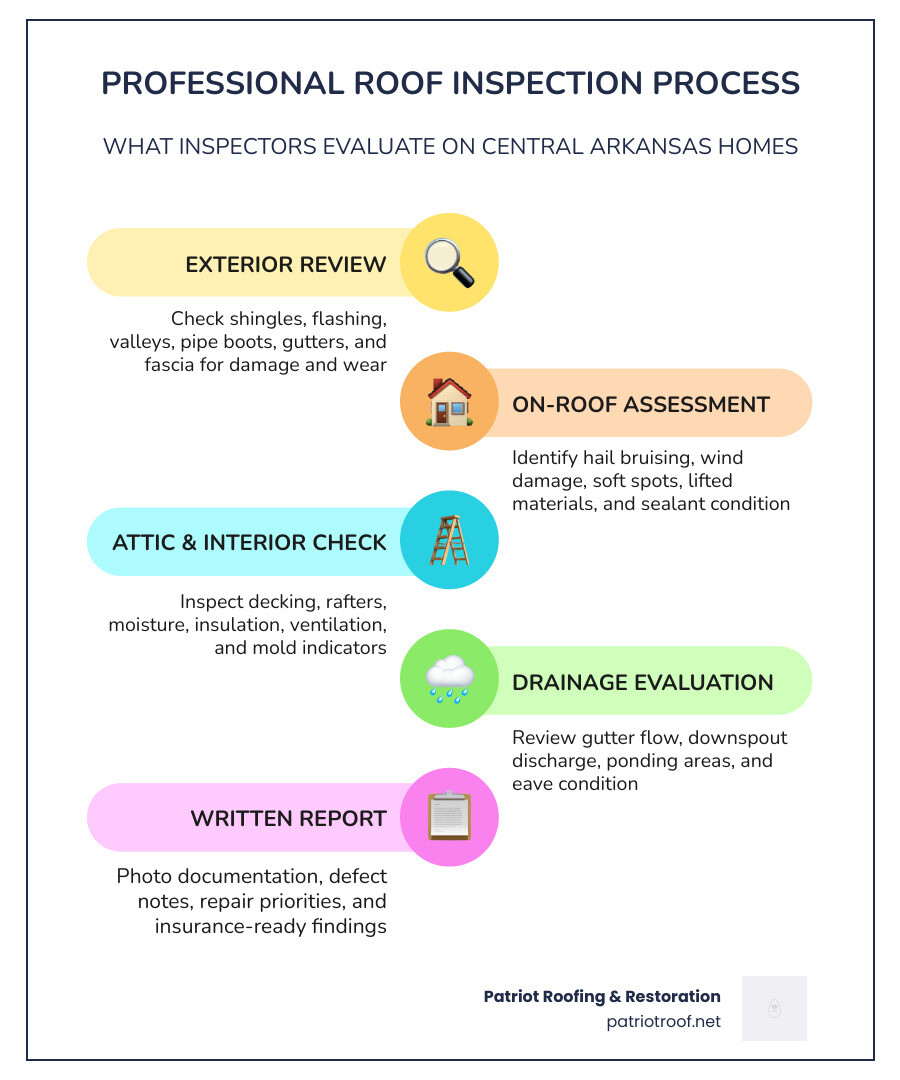
- Exterior inspection — shingles, flashing, valleys, ridges, pipe boots, gutters, drip edge, and fascia
- On-roof assessment — hail bruising, wind damage, soft spots, lifted materials, and sealant condition
- Attic and interior check — decking, rafters, moisture, insulation, ventilation balance, and mold indicators
- Drainage review — gutter flow, downspout discharge, ponding areas, and eave condition
- Written report — photo documentation, defect notes, repair priorities, and insurance-ready findings
Most residential inspections in Central Arkansas take 30 to 90 minutes, depending on roof size and complexity. Reports are typically delivered within 24 to 48 hours.
Arkansas averages about 50 inches of rainfall per year, well above the national average, and severe hail is reported somewhere in the state most years. That kind of weather puts constant stress on roofing systems, and most homeowners don’t realize damage has occurred until water starts showing up inside the house.
The good news: a professional inspection catches most problems while they are still small and cheap to fix, and keeping up with them is the best way to get the full service life out of a roof.
Whether you’ve just weathered a storm, you’re buying or selling a home, or you simply haven’t had your roof looked at in a few years, knowing what a thorough inspection covers puts you in control.
What Does a Professional Roof Inspection Include in Central Arkansas?
A professional roof inspection is a full-system evaluation, not just a quick look at the shingles from the driveway. We check how the roof is shedding water, how the materials are aging, whether storm damage is present, and whether attic conditions are helping or hurting the roof.
In Central Arkansas communities like Little Rock, North Little Rock, Benton, Bryant, Conway, Cabot, Maumelle, Sherwood, Jacksonville, Hot Springs, Hot Springs Village, Alexander, Austin, Mayflower, Scott, and West Little Rock, inspections must account for heavy rain, hail, heat, humidity, high winds, and tree debris.
A thorough inspection typically includes:
- Roof covering condition
- Flashing and sealant review
- Valleys, ridges, and roof penetrations
- Gutters, downspouts, drip edge, fascia, and soffits
- Attic moisture and ventilation
- Decking, rafters, and visible structural concerns
- Storm damage indicators
- Photos, written notes, repair priorities, and next-step recommendations
Think of it like a physical for your roof. No awkward paper gown required.
What does a professional roof inspection include in central arkansas during the exterior check?
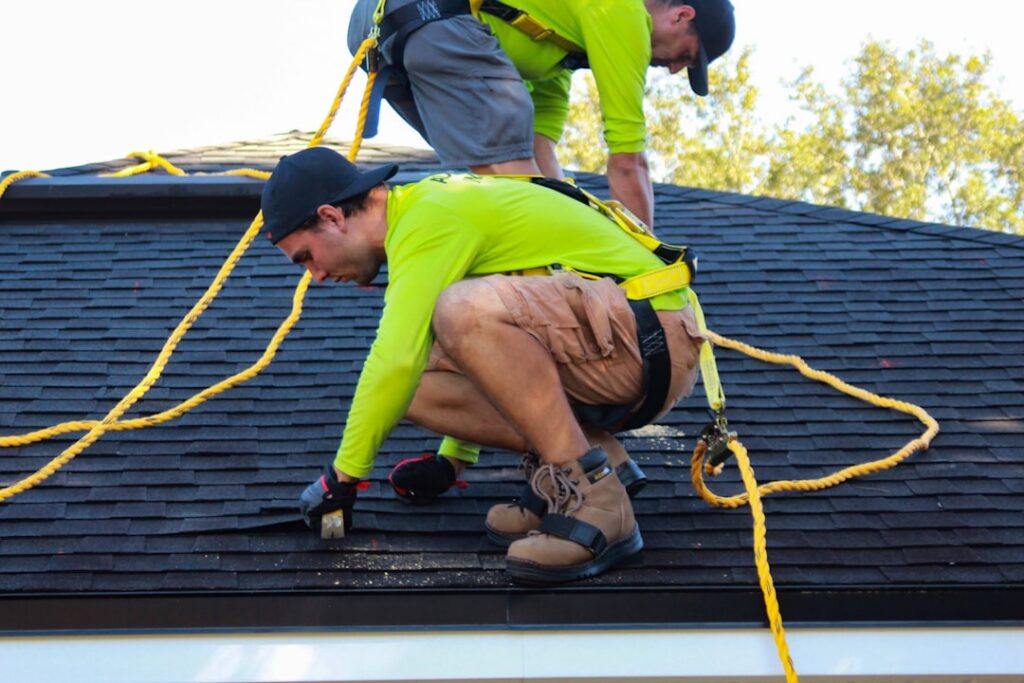
During the exterior portion, we examine every visible part of the roof system that protects the home from water. On asphalt shingle roofs, that means looking for:
- Missing, loose, cracked, curled, or lifted shingles
- Granule loss, especially in valleys and near downspouts
- Hail bruising or impact marks
- Wind creases or broken shingle seals
- Exposed nail heads
- Damaged ridge caps
- Soft or spongy areas that may indicate decking problems
- Debris buildup in valleys or behind chimneys
We also inspect the details where leaks often begin. Most roof leaks start at flashing rather than in the middle of a shingle field, so these areas deserve close attention:
- Pipe boots
- Chimney flashing
- Skylight flashing
- Wall flashing
- Step flashing
- Counterflashing
- Roof-to-wall transitions
- Vent penetrations
- Drip edge
- Sealant joints
The perimeter matters too. Fascia, soffits, gutters, and downspouts all help move water away from the home. If those components fail, water can back up under shingles or rot the roof edge.
What does a professional roof inspection include in central arkansas inside the attic?
The attic often tells the truth before the roof surface does. A roof can look fine outside while moisture is quietly damaging the underside.
Inside the attic, inspectors look for:
- Water stains on decking, rafters, or trusses
- Wet or compressed insulation
- Daylight showing through roof gaps
- Rusted nails or fasteners
- Mold-like staining or mildew indicators
- Condensation on decking or framing
- Sagging or delaminated roof decking
- Cracked rafters or damaged trusses
- Evidence of long-term leaks around vents or chimneys
- Bathroom or kitchen exhaust fans venting improperly into the attic
Ventilation is a major part of the attic check. A balanced system needs intake ventilation, usually at soffits, and exhaust ventilation, often through ridge vents, box vents, or other roof vents. Poor ventilation can trap heat and moisture, which can shorten shingle life, increase energy usage, and contribute to decking deterioration.
How inspectors evaluate drainage and water-shedding areas
Roofs are designed to shed water quickly. In Central Arkansas, where heavy downpours are common, drainage problems can become leak problems fast.
We evaluate:
- Roof valleys
- Gutter flow
- Downspout discharge locations
- Clogged gutters
- Eave and overhang condition
- Fascia rot
- Debris buildup
- Low-slope roof areas
- Ponding or slow-draining sections
- Flat roof drains and scuppers
- TPO seams and membrane transitions, when applicable
For low-slope and flat roofing systems, standing water is especially important. Even a shallow amount of ponding can add significant weight and accelerate membrane wear. On homes with TPO or other membrane roofing, seams, punctures, flashing transitions, and drain points are key inspection areas.
How to Understand the Roof Inspection Process from Start to Finish
A professional inspection follows a clear sequence. The exact process may vary depending on roof pitch, material, weather, and accessibility, but the goal is always the same: document the roof’s true condition safely and accurately.
A typical process includes scheduling, a brief homeowner walkthrough, safety setup, ground-level inspection, roof access when safe, attic access when available, findings review, and next-step recommendations.
Step 1: Ground-level and perimeter inspection
Before anyone climbs a ladder, we start from the ground. This helps us identify obvious signs of damage and decide how to safely inspect the roof.
From the perimeter, we look for:
- Roofline sagging
- Uneven planes
- Missing shingles visible from the ground
- Fallen branches or storm debris
- Gutter dents from hail
- Damaged fascia or soffits
- Staining on siding or masonry
- Water trails near downspouts
- Chimney cracks or cap issues
- Nail pops or displaced materials
- Signs of wind uplift along roof edges
Ground-level clues are especially useful after storms. Hail may dent gutters, downspouts, vents, or soft metal before damage is obvious on shingles.
Step 2: On-roof inspection and material assessment
If the roof is safe to access, we perform an on-roof assessment. This is where inspectors can spot details that are nearly impossible to confirm from the ground.
Different materials require different inspection methods:
- Asphalt shingles are checked for granule loss, cracking, curling, bruising, and seal failure.
- Metal panels are checked for loose fasteners, seam issues, rust, dents, and coating wear.
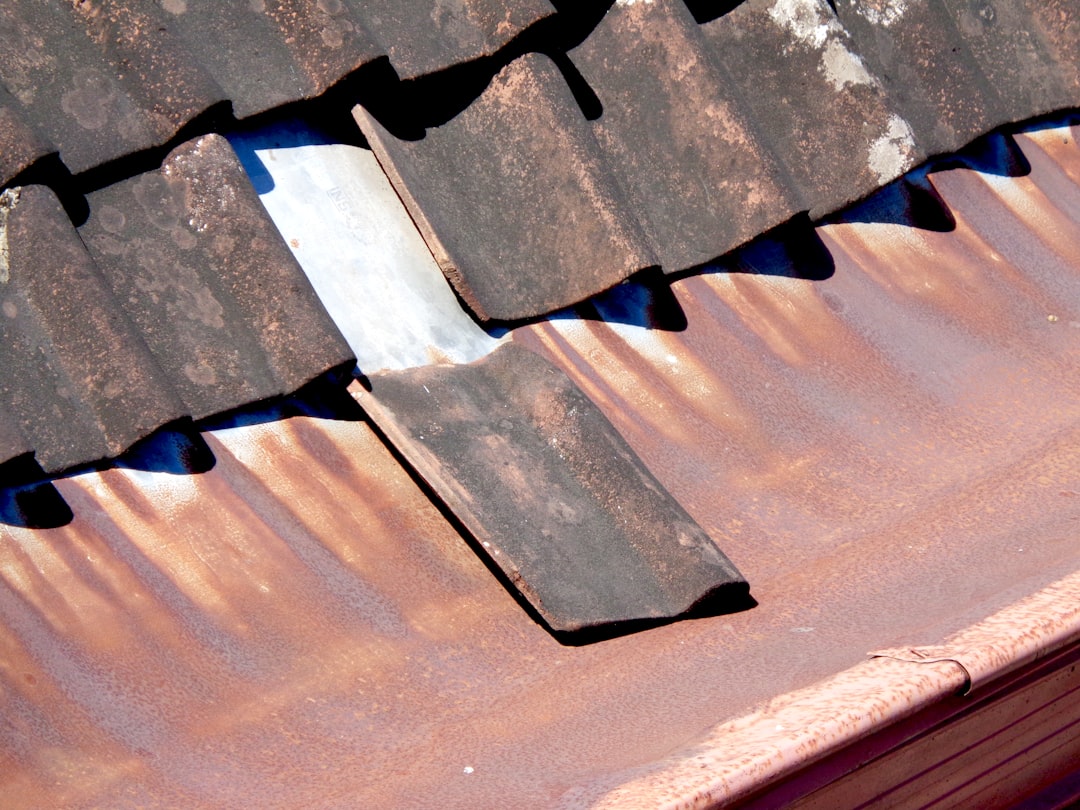
- Tile roofs are checked for cracked, slipped, or broken tiles.
- Flat or low-slope roofs are checked for punctures, open seams, ponding, blistering, and flashing failure.
During this step, we also check for soft spots, which can indicate moisture-damaged decking beneath the roof covering.
Common roof areas checked during an inspection include:
- Field shingles or panels
- Ridge caps
- Hip shingles
- Valleys
- Eaves
- Rakes
- Pipe boots
- Roof vents
- Chimneys
- Skylights
- Satellite or antenna penetrations
- Wall intersections
- Flashing and sealants
- Gutters and downspouts
- Drip edge
- Low-slope transitions
Step 3: Interior, attic, and ventilation inspection
The interior portion helps connect roof surface conditions with what is happening inside the home.
We may check:
- Ceiling stains
- Wall stains
- Musty odors
- Attic moisture
- Wet insulation
- Exhaust fan routing
- Blocked soffit vents
- Insulation depth and coverage
- Air movement through the attic
- Decking delamination
- HVAC lines in the attic
- Plumbing stacks and vent penetrations
If a homeowner has noticed higher energy bills, uneven indoor temperatures, or a hot attic, ventilation may be part of the problem. A roof inspection is not a full energy audit, but it can identify attic conditions that affect comfort and roof life.
Step 4: Report delivery and repair recommendations
After the inspection, homeowners should expect clear findings. A good report should not leave you guessing what matters and what can wait.
A professional roof inspection report may include:
- Photos of roof and attic conditions
- Notes describing each concern
- Storm damage indicators
- Material condition
- Flashing observations
- Ventilation notes
- Drainage concerns
- Urgency levels
- Repair recommendations
- Replacement guidance, when needed
- Warranty-related notes
- Insurance documentation, if applicable
Reports are often delivered within 24 to 48 hours, especially when photos and detailed notes are included. If urgent damage is found, such as an active leak or exposed decking, next steps may be discussed immediately.
Why Central Arkansas Roof Inspections Are Different from Other Regions
Central Arkansas roofs face a tough mix of weather conditions: heavy rainfall, humidity, strong sun, hail, high winds, sudden thunderstorms, and occasional tornado activity. Add tree coverage and seasonal debris, and you get a roof system that needs more than a casual glance.
An inspection in Central Arkansas is different because we are looking for weather patterns that are common here, not generic roof wear.
Weather factors inspectors prioritize in Central Arkansas
Arkansas receives about 51 inches of rain per year, which is much higher than the national average. That means water-shedding details matter a lot.
Inspectors prioritize:
- Heavy downpour performance
- Hail impact marks
- Wind-lifted shingles
- Thermal expansion and contraction
- UV-related shingle aging
- Moisture intrusion
- Algae growth on shaded or north-facing slopes
- Tree limb abrasion
- Storm debris damage
- Granule washout near downspouts
Heat and humidity can also affect attic conditions. If ventilation is poor, trapped heat can bake shingles from below while moisture encourages condensation and decking problems.
Local code and permit considerations homeowners should know
Arkansas does not operate under one single statewide residential building code for every local situation. Many municipalities adopt and enforce building codes independently, often based on versions of the International Residential Code or related standards.
That matters because a contractor’s roof condition assessment is not the same thing as a city or county permit inspection. In general:
- A roofing contractor can inspect condition, storm damage, maintenance needs, and repair options.
- A building department-authorized inspector handles permit-related sign-offs where required.
- Local rules may affect reroofing layers, tear-off requirements, flashing details, and ventilation requirements.
- Homeowners should confirm permit requirements for their specific city or jurisdiction.
If insurance is involved, documentation timelines matter too. Many policies have reporting windows after a date of loss, so it is wise to document storm damage quickly.
Common roof issues found in Central Arkansas homes
Because of local weather, we commonly look for:
- Flashing leaks
- Cracked pipe boots
- Missing shingles
- Granule loss
- Clogged gutters
- Rotted decking
- Poor attic ventilation
- Hail bruises
- Wind-lifted shingles
- Soft fascia
- Ceiling stains
- Algae staining
- Debris-filled valleys
- Loose ridge caps
- Sealant failure around penetrations
Some of these issues look small at first. Unfortunately, roofs are very good at turning “small” into “why is there a bucket in the hallway?”
How Long It Takes, What It Costs, and What Tools Inspectors Use
Inspection time, cost structure, and tools vary depending on the purpose of the inspection. A routine check is different from a storm damage assessment, and a real estate inspection may require more formal documentation.
| Inspection type | Main purpose | What receives extra attention | Typical documentation |
|---|---|---|---|
| Routine roof inspection | Prevent leaks and monitor aging | Shingles, flashing, gutters, attic ventilation | Photos, condition notes, repair priorities |
| Storm damage inspection | Identify hail, wind, or impact damage | Hail bruises, wind creases, loose materials, emergency risks | Damage photos, storm notes, insurance-ready findings |
| Real estate inspection | Support buying or selling decisions | Roof age, remaining life indicators, visible defects, attic condition | Written report, photos, repair or replacement guidance |
| Maintenance inspection | Find minor issues before they grow | Sealants, pipe boots, debris, drainage, loose materials | Maintenance recommendations and repair planning |
Typical inspection time in Central Arkansas
Most residential roof inspections take about 30 to 90 minutes. Larger homes, steep roofs, complex rooflines, multiple roofing materials, attic access issues, or detailed storm documentation can extend that window.
A more involved inspection may include:
- Extra time photographing hail or wind damage
- Attic ventilation measurements or diagrams
- Moisture checks
- Drone review of steep or unsafe areas
- Written report preparation
- Insurance-related documentation
The actual roof visit is only part of the work. Organizing photos and writing clear findings can take additional time after the inspection.
Typical roof inspection cost in Central Arkansas
The cost of a roof inspection in Central Arkansas depends on the reason for the inspection, the roof’s size and complexity, accessibility, documentation needs, and whether specialized tools are required.
Some inspections may be offered at no cost, especially when a homeowner is evaluating repair or replacement needs. Other inspections, such as real estate reports, infrared scans, drone documentation, or specialized evaluations, may involve a fee.
Because pricing varies by situation, we recommend asking upfront what is included, whether a written report is provided, and whether advanced technology is part of the inspection. The most important thing is not just the price; it is whether the inspection is thorough, documented, and useful.
Tools and technology used during professional inspections
Professional inspectors may use a mix of traditional tools and modern technology, including:
- Ladders
- Harnesses and fall protection
- Roofing shoes designed for traction
- Moisture meters
- Drones
- Infrared cameras
- Binoculars
- Chalk for marking damage
- Inspection apps
- Digital photo documentation
- Tape measures
- Flashlights
- Attic ventilation calculators or diagrams
Drones can be helpful for steep, fragile, or hard-to-reach roofs. Infrared cameras and moisture meters can help identify hidden moisture patterns, though findings may need to be confirmed with physical inspection.
How to Use a Roof Inspection for Maintenance, Insurance, Buying, or Selling
A roof inspection is useful in more than one situation. It can help you plan maintenance, support an insurance claim, make a smarter home purchase, prepare a home for sale, or preserve warranty records.
Routine inspection vs. storm damage inspection
A routine inspection is preventive. It looks for aging materials, small leaks, ventilation issues, clogged drainage, and minor defects before they become major repairs.
A storm damage inspection is more urgent and more documentation-heavy. After hail, high winds, fallen limbs, or severe thunderstorms, inspectors look for:
- Hail impact marks
- Bruised shingles
- Cracked matting
- Wind creases
- Lifted shingles
- Missing tabs
- Damaged vents or flashing
- Dented gutters
- Active leaks
- Exposed underlayment or decking
Storm inspections may also include emergency recommendations such as temporary tarping or mitigation to prevent additional water damage.
Roof inspection vs. roof maintenance service
A roof inspection is an evaluation. It identifies and documents roof conditions. It does not automatically mean repairs are being made.
A roof maintenance service, sometimes called a tune-up, may include minor work such as:
- Resealing small flashing gaps
- Caulking exposed nail heads
- Securing loose shingles
- Replacing cracked pipe boots
- Cleaning debris from valleys
- Clearing gutters
- Tightening loose components
- Addressing minor leak-prone areas
Both services are valuable, but they are not the same. The inspection tells you what is wrong. Maintenance helps correct smaller issues before they grow.
Insurance claim support after hail, wind, or storm damage
A professional roof inspection can support an insurance claim by creating clear, organized documentation. Insurance carriers make their own coverage decisions, but detailed inspection records can help show what was damaged, where it happened, and why repairs may be needed.
After storm damage, keep these documents:
- Photos of visible damage
- Inspection report
- Date and approximate time of storm
- Weather alerts or storm reports, if available
- Notes about leaks or interior damage
- Emergency mitigation receipts
- Contractor repair recommendations
- Insurance claim number
- Adjuster contact information
- Copies of all insurance communication
If an adjuster inspection is scheduled, a roofing contractor may be able to meet on-site to point out documented roof conditions. The goal is accuracy, not guesswork.
Benefits before buying or selling a home
Roof inspections are extremely useful during real estate transactions.
For buyers, an inspection can provide:
- Confidence before closing
- A clearer understanding of roof age and condition
- Repair budgeting information
- Negotiation leverage
- Insight into attic ventilation and moisture concerns
- Help with inspection contingency decisions
For sellers, a pre-listing inspection can help:
- Reduce surprises
- Show transparency
- Address repairs before negotiations
- Support asking price confidence
- Provide documented roof condition to potential buyers
A well-maintained roof can also support home value. Research has shown that roof condition often becomes part of real estate negotiations, especially in storm-prone areas.
When to Schedule a Professional Roof Inspection in Central Arkansas
The best time to inspect a roof is before a leak forces the issue. In Central Arkansas, timing matters because spring and fall weather patterns can expose weaknesses quickly.
Recommended inspection frequency for homeowners
We recommend homeowners schedule roof inspections:
- At least once per year
- Ideally in spring or fall
- After hailstorms
- After high-wind events
- After falling limbs or visible storm debris
- Before buying or selling a home
- Before a workmanship or manufacturer warranty period expires
- More often for roofs over 10 years old
- More often if the home has heavy tree coverage
FEMA guidance commonly encourages roof checks at least twice a year and after major wind events. For Central Arkansas homes exposed to storms, that is a smart standard.
Warning signs that mean you should schedule sooner
Do not wait for a drip in the living room if you notice these warning signs:
- Ceiling stains
- Wall stains
- Missing shingles
- Granules in gutters
- Sagging roofline
- Musty attic odor
- Higher energy bills
- Loose or rusted flashing
- Dented gutters
- Daylight visible in the attic
- Active leaks
- Cracked pipe boots
- Debris piled in valleys
- Shingles lying in the yard
One missing shingle may not look dramatic, but after a Central Arkansas thunderstorm, it can become an open invitation for water.
Qualifications to look for in a professional Arkansas roof inspector
Choose an inspector or roofing contractor with qualifications that support safe, accurate work.
Look for:
- Proper Arkansas contractor licensing where applicable
- General liability insurance
- Workers compensation coverage
- Manufacturer certifications
- Storm-damage assessment experience
- Local Central Arkansas roofing knowledge
- Written inspection reports
- Photo documentation
- Clear safety practices
- Warranty knowledge
- Experience with your roof type
At Patriot Roofing & Restoration, we bring a quality-first approach to roof installations, repairs, and maintenance. Our Atlas PRO+ Gold standing, strong warranty options, and four written guarantees reflect how seriously we take roof performance and homeowner confidence.
Frequently Asked Questions About What Does a Professional Roof Inspection Include in Central Arkansas
Here are quick answers to the questions we hear most often from homeowners.
What should homeowners expect in a roof inspection report?
A professional report should be clear, organized, and useful. It may include:
- Photos of problem areas
- Defect descriptions
- Roof material condition
- Estimated roof age or aging indicators
- Attic findings
- Ventilation notes
- Drainage observations
- Flashing concerns
- Repair priorities
- Replacement recommendations, if needed
- Insurance-ready documentation when storm damage is present
The best reports separate urgent issues from maintenance items, so homeowners know what needs action now and what can be planned.
Will the inspector walk on my roof?
In many cases, yes, if the roof can be accessed safely without causing damage. However, safety and roof condition come first.
An inspector may avoid walking the roof if:
- The slope is too steep
- The surface is wet or unsafe
- The roofing material is fragile
- The roof is severely deteriorated
- Weather conditions are unsafe
- Walking could worsen existing damage
In those cases, inspectors may use ladders, edge inspections, binoculars, drones, or other safe methods. A good inspection should never trade safety for ego. Roofs are not a place to prove bravery.
What does a professional roof inspection include in central arkansas if no visible leak is present?
Even without a visible leak, a professional inspection can reveal hidden or early-stage issues, including:
- Hail bruises that have not leaked yet
- Lifted shingles
- Loose flashing
- Small punctures
- Early granule loss
- Cracked pipe boots
- Attic moisture
- Condensation
- Poor ventilation
- Debris causing slow drainage
- Weak sealant around penetrations
Many roof problems begin quietly. Finding them early is the whole point of inspection.
Conclusion
A professional roof inspection in Central Arkansas gives you a clear picture of your roof’s condition before small issues become expensive problems. It helps protect your home from heavy rainfall, hail, wind, heat, humidity, and the surprise storms we all know too well.
By checking the exterior roof system, attic, ventilation, flashing, drainage, storm damage indicators, and documentation needs, a thorough inspection supports better decisions about repairs, maintenance, insurance claims, and real estate transactions.
At Patriot Roofing & Restoration, we believe homeowners deserve straight answers, careful workmanship, and roof systems built to perform. Our quality-first approach, four written guarantees, Atlas PRO+ Gold standing, and extended Atlas system warranty options are all designed to give you confidence long after the inspection is complete.
If you are ready to understand your roof’s condition, Schedule a no-cost inspection.
This article is general information about roofing and storm damage in Arkansas, not insurance advice. Coverage, deductibles and claim deadlines vary by policy and by carrier. Confirm your own coverage with your insurance agent before you make a decision.